
Common Electrical Issues in Older Homes and How to Fix Them

July 23, 2025

Older homes have a unique charm and character that many homeowners love. However, along with their beauty, these houses often come with outdated electrical systems that can pose safety risks and inconveniences. Understanding common electrical problems in older homes is essential for keeping your property safe and functional. Here’s a look at some typical issues you might encounter and practical tips on how to address them.

1. Outdated Wiring

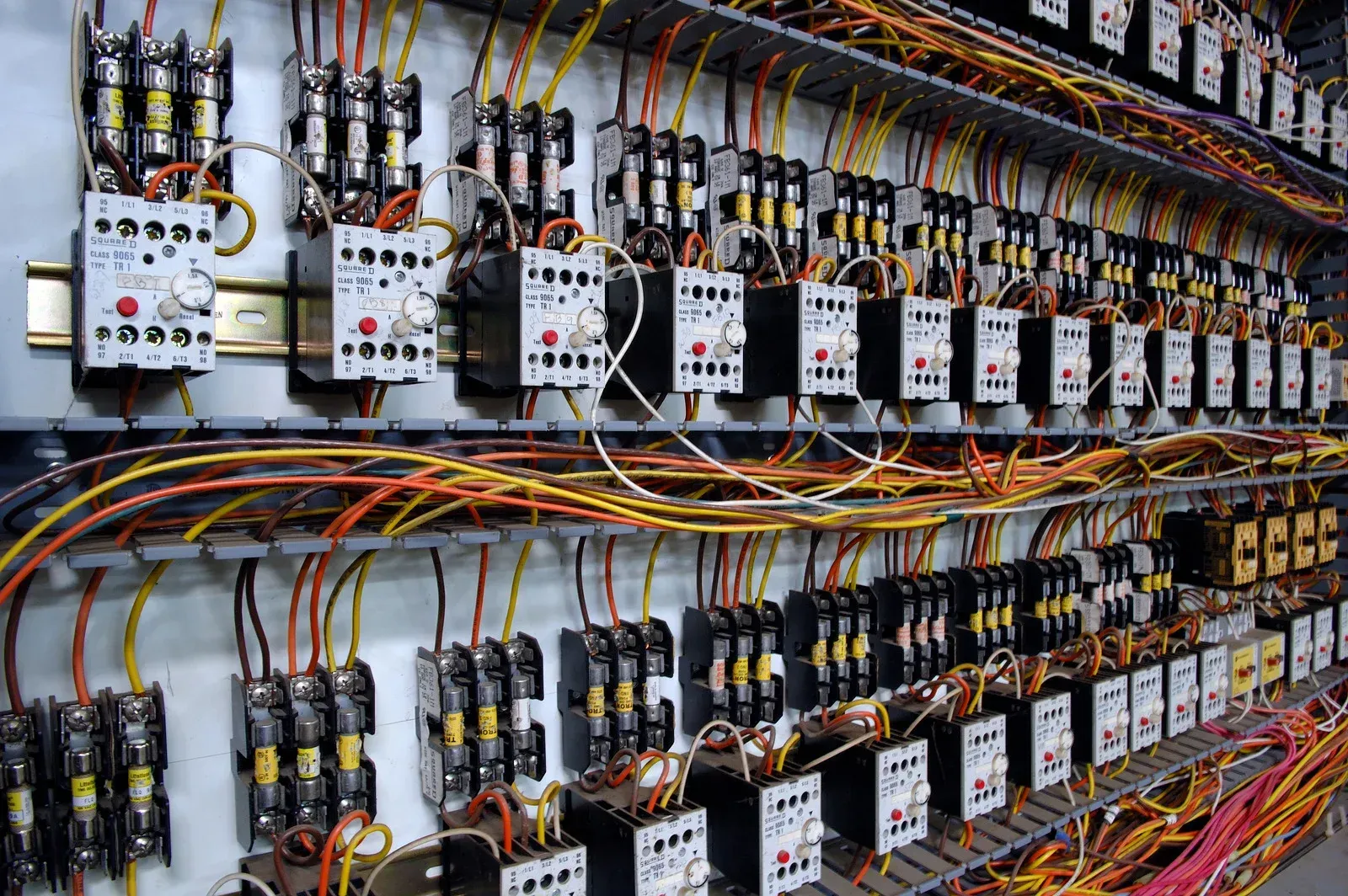
One of the most frequent problems in older homes is outdated wiring. Homes built decades ago often used knob-and-tube wiring or aluminum wiring, both of which are no longer considered safe by modern standards. These wires can deteriorate over time, increasing the risk of electrical fires. If you notice flickering lights or frequent circuit breaker trips, it might be due to faulty wiring.


How to fix: Have a licensed electrician inspect your wiring and recommend necessary upgrades. Replacing old wiring with modern copper wiring can significantly improve safety and electrical efficiency.

2. Insufficient Electrical Capacity

Older homes were built with electrical systems designed for fewer appliances and less demand. Today’s homes require more power due to the number of electronic devices and appliances used daily. This often results in overloaded circuits and tripped breakers.


How to fix: Upgrade your electrical panel to handle modern power needs. Adding additional circuits or installing a new breaker box ensures your home can safely support all your electrical devices.

3. Lack of Grounding

Grounding is essential for preventing electrical shocks and protecting appliances. Many older homes lack proper grounding because it wasn’t always required during their construction. Ungrounded outlets pose a safety hazard.


How to fix: Install grounded outlets or retrofit existing ones with grounding systems. A professional electrician can evaluate your home’s grounding and make the necessary improvements.

4. Faulty or Missing GFCI Outlets

Ground Fault Circuit Interrupter (GFCI) outlets protect against electrical shocks in areas prone to moisture, like kitchens, bathrooms, and outdoor spaces. Older homes often lack these safety devices or have non-functional ones.


How to fix: Upgrade your home by installing GFCI outlets in all required locations. This simple update enhances safety and often complies with current building codes.

5. Worn-Out or Broken Outlets and Switches

Over time, outlets and switches can wear out, loosen, or become damaged. This can lead to sparks, shocks, or even fire hazards.


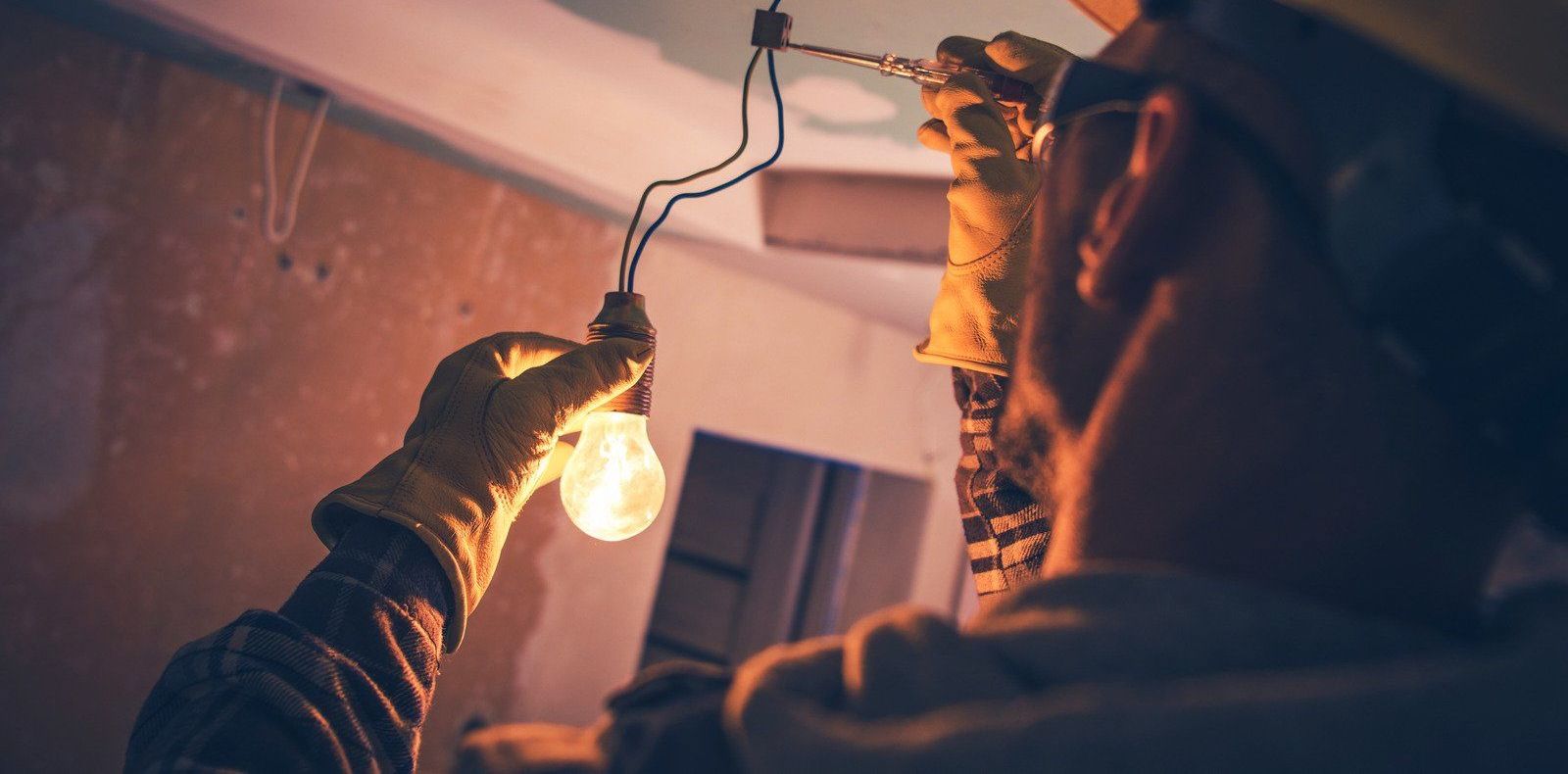
How to fix: Replace any damaged outlets or switches promptly. Use high-quality components and hire a professional to ensure the work is done safely and correctly.

6. Aluminum Wiring Issues

Some older homes used aluminum wiring, which is more prone to overheating and corrosion compared to copper wiring. Aluminum wiring can increase the risk of electrical fires if not properly maintained.


How to fix: A certified electrician can inspect and either repair or replace aluminum wiring sections. Special connectors and repairs are available to mitigate risks.

Protect Your Older Home with Expert Electrical Services

Keeping the electrical system in an older home safe and up to date is crucial for your family’s safety and comfort. If you live in or near Hermiston, Oregon, Rock Electric is here to help. With over 35 years of experience, our licensed electricians specialize in upgrading and repairing electrical systems in older homes. Whether it’s rewiring, panel upgrades, or installing safety devices like GFCI outlets, we ensure your home’s electrical system meets modern standards.


Don’t compromise on safety—contact us today to schedule a thorough electrical inspection or consultation and keep your home powered safely and efficiently.

A large, white industrial generator sits outside a grey concrete building next to a door.
April 10, 2026
Reliable power is critical for modern farm operations. From running irrigation systems and milking machines to powering cold storage and essential lighting, farms rely heavily on uninterrupted electricity. A sudden power outage can disrupt daily activities,
Snowy landscape with an irrigation system and power lines.
March 10, 2026
Farming is an industry rooted in hard work, dedication, and a deep connection to the land. Yet, amid planting, harvesting, and equipment maintenance, one critical aspect of farm safety is often underestimated: electrical safety. Electrical hazards on farms pose a serious risk to both people and property,
Irrigation pump station, Pierce equipment, in a field with dry vegetation.
February 5, 2026
Modern farming is no longer just about planting seeds and waiting for harvest. Today’s farms are increasingly reliant on complex electrical systems that power irrigation, machinery, lighting, and climate control. However, despite the growing dependence on electricity,
Show More
A large, white industrial generator sits outside a grey concrete building next to a door.
April 10, 2026
Reliable power is critical for modern farm operations. From running irrigation systems and milking machines to powering cold storage and essential lighting, farms rely heavily on uninterrupted electricity. A sudden power outage can disrupt daily activities,
Snowy landscape with an irrigation system and power lines.
March 10, 2026
Farming is an industry rooted in hard work, dedication, and a deep connection to the land. Yet, amid planting, harvesting, and equipment maintenance, one critical aspect of farm safety is often underestimated: electrical safety. Electrical hazards on farms pose a serious risk to both people and property,
Irrigation pump station, Pierce equipment, in a field with dry vegetation.
February 5, 2026
Modern farming is no longer just about planting seeds and waiting for harvest. Today’s farms are increasingly reliant on complex electrical systems that power irrigation, machinery, lighting, and climate control. However, despite the growing dependence on electricity,
Show More