
Half the Outlets in a Room Dead but the Breaker's On? The 30 Second Check
October 21, 2026
Quick Answer: When several outlets in one room go dead and the breaker still looks on, the cause is usually one of four things: a tripped GFCI outlet somewhere else on the circuit, a breaker that is tripped but sitting halfway between on and off, a wall switch controlling half of an outlet, or a loose wire connection at one outlet that feeds the rest. You can check the first three in about 30 seconds without opening anything. If the outlets stay dead, or you smell burning or feel warmth, stop and have a licensed electrician trace it.
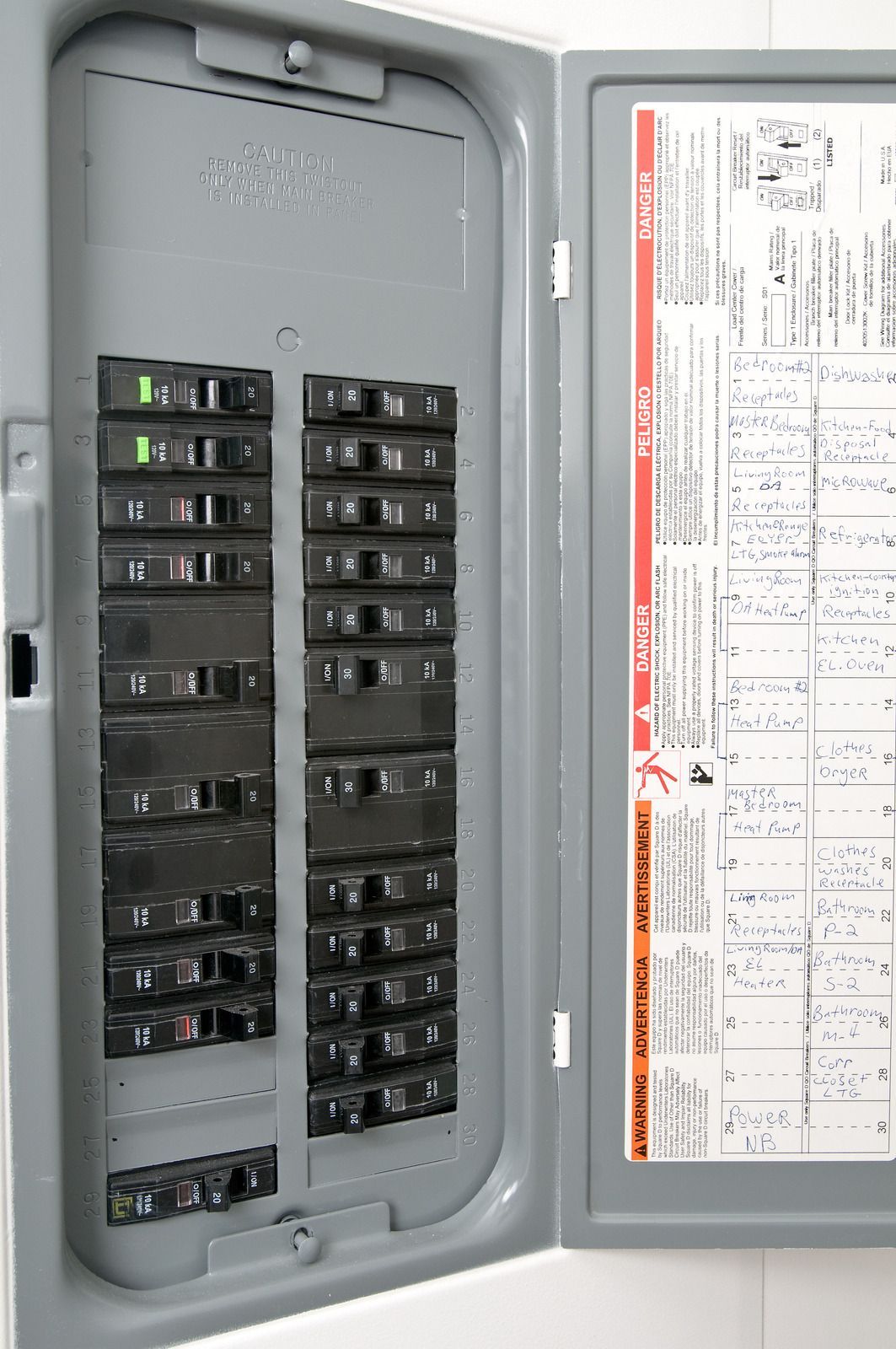
You walk into the spare bedroom to plug in the vacuum, and nothing happens. You try the outlet on the next wall. Dead. The lamp you moved over there is dark too. You head to the panel, and every breaker is lined up and looks fine. No trip, no click, no flicker beforehand. Half the room just quit.
Out in the Hermiston area, this call comes in often. Plenty of homes here have additions, shop conversions, and older wiring that has been extended more than once. A circuit can lose power in the middle without the breaker ever noticing. That is what makes it confusing, and it is also why a handful of quick checks will solve it more often than you would expect.
Start With What Is Actually Dead
Before you touch anything, take a minute to map the problem. Walk the room and test each outlet with a lamp or phone charger you know works. Write down which ones are dead and which still have power. Also check the room next door and the hallway. Outlets on one circuit are not always in one room, and a dead outlet in the garage or bathroom can be the real clue.
The pattern tells you a lot. If only the outlets along one wall are dead, you are likely looking at a single connection somewhere in that run. If the lights in the room are also off, the problem is higher up the circuit. If one outlet is dead but the ones beside it work, the fault is probably in that outlet itself and not in the wiring behind it.
The 30 Second Check, Step by Step
These are the checks that take no tools and no panel cover removal. Do them in this order.
Step One: Reset Every GFCI You Can Find
GFCI outlets have test and reset buttons and can cut power to downstream outlets without tripping breakers. Check bathrooms, garages, kitchens, laundry areas, and outdoor outlets, then press reset firmly.
Step Two: Look at the Breaker More Carefully
A tripped breaker may rest in a middle position instead of appearing fully off. Locate the correct breaker, switch it completely off, then turn it back on and retest the outlets.
Step Three: Flip the Wall Switches
Some outlets connect to wall switches that control lamps or other devices. Try switches near doorways and test both receptacles on each outlet to determine whether a switched connection explains the problem.
Step Four: Rule Out the Device
Test the appliance using a different working outlet, or plug a known-working lamp or charger into the affected outlet. A faulty cord, dead bulb, or broken device may be responsible.
Tip:
If a GFCI will not reset, or trips again the moment you press the button, do not keep forcing it. That usually means moisture or a real fault somewhere on the circuit. After a storm or after pressure washing the house, outdoor outlets in the Columbia Basin can take a day to dry out, so give it time before assuming the worst.
Why the Breaker Stays On When Power Is Gone
If the quick checks do not bring the outlets back, the circuit has a break in the wiring, and a break is different from an overload. A breaker trips when too much current flows. A loose or open connection does the opposite. Current stops flowing, so there is nothing for the breaker to react to. The breaker stays on, and the outlets downstream simply go dark.
Most of the time, that open connection is at one outlet in the middle of the run. Household circuits are usually wired from outlet to outlet in a chain. Power comes in at the first one and passes along to the next, and the next, through the same terminals. If a wire at the third outlet loosens or burns through, everything after it loses power while the first two keep working. That is exactly the "half the room" pattern you are seeing.
The Usual Suspects Behind the Chain
Backstabbed Connections
Backstabbed outlets use spring clips to grip inserted wires. Heat cycles and repeated plug removal can weaken connections, increasing resistance, generating heat, and eventually interrupting power or creating fire hazards.
Loose Screw Terminals
Outlet terminals can loosen over time, especially with aluminum wiring that expands and contracts. Temperature fluctuations in Hermiston can further stress electrical connections in attics, outbuildings, and exterior walls.
A Failed Outlet
Internal metal contacts can wear out, burn, or lose conductivity. When a failed outlet supplies power to downstream receptacles, every outlet beyond that connection may stop working.
Damaged Cable
Overtight staples, nails, rodents, or accidental cuts during remodeling can damage electrical cables and interrupt circuits. Rural properties and farm buildings around Pendleton and Boardman may experience additional rodent-related wiring damage.
An Older Fuse Panel
Homes with older fuse panels may lose power because of a blown fuse. Cracked glass, dark discoloration, or a broken internal metal strip can indicate fuse failure.
What Is Safe to Do Yourself and What Is Not
Checking GFCIs, breaker positions, and switches is safe for any homeowner. Opening an outlet box is a different matter. If you do decide to look, the breaker for that circuit must be fully off, and you should confirm the outlet is dead with a non contact voltage tester before you touch a single wire. Remember that wires in the box can be live from a different circuit, which happens more often in older homes than anyone expects.
Even then, treat what you find as information, not a project. A wire sitting loose under a screw is an easy fix. A wire that is blackened, brittle, or has melted insulation is not. Neither is aluminum wiring, a box that is crowded with spliced wires, or anything that smells scorched. Those are signs the connection has been overheating, and heat at a connection is how electrical fires start.
Warning:
Never keep plugging into or resetting an outlet that feels warm, looks discolored, crackles, or smells like burning plastic. Turn off the breaker for that circuit and leave it off until a licensed electrician has looked at it. A dead outlet that was once overheating is a safety problem first and a convenience problem second.
Signs the Problem Is Bigger Than One Outlet
Sometimes the dead outlets are a symptom. Pay attention if you notice any of these along with the outage.
Lights in the same area that dim or flicker before they went out. This points to a loose connection that has been getting worse for a while. A dead zone that appears after you added a space heater, a window air conditioner, or a shop tool. That suggests an overloaded circuit that has damaged a connection. Outlets that work only when you wiggle the plug. Or a pattern that keeps coming back every few weeks after you reset something.
A recurring dead zone is rarely a fluke. The first time, a GFCI reset might fix the symptom, but if the fault itself is still there, it will return. On farms and larger properties, circuits are often extended to a barn, a shop, or a well house over the years, and a circuit that was fine at the start can end up feeding far more than it was built for.
What an Electrician Does Differently
A licensed electrician does not start by guessing which outlet is bad. The first step is mapping the circuit, which means finding out which outlets, lights, and switches share the dead breaker and where the chain begins and ends. From there the electrician tests for voltage outlet by outlet until the point where power stops. The failure is almost always at or just before that point.
Once the break is found, the fix is simple in concept. Backstabbed wires get moved to the screw terminals or replaced with proper connectors. Failed outlets get replaced. Damaged cable sections get repaired in an approved junction box. Just as important, the electrician checks the neighbors of the failed connection, because a connection that failed from heat usually has company. Checking the rest of the chain is how you avoid a second callback in six months.
Frequently Asked Questions
Why would some outlets in a room work while others do not?
Most homes wire outlets in a chain. If a connection fails partway along, everything before it keeps power and everything after loses it. A switched half or a tripped GFCI downstream can do the same.
Can a GFCI trip in another room and kill outlets in mine?
Yes. A GFCI protects its own receptacle and any outlets wired after it, which can sit in a different room without their own buttons. Reset every GFCI, including the garage and outdoor ones.
Is it safe to reset a breaker that looks fine but may be tripped?
Yes, pushing the handle fully to off and back to on is safe. A tripped breaker often rests halfway. If it trips again right away with nothing plugged in, leave it off and call an electrician.
Does a dead outlet mean there is a fire risk?
Not always. Many are simply a tripped GFCI or a switch. But a loose connection can create heat, so treat any dead outlet with warmth, discoloration, buzzing, or a burning smell as urgent and cut power.
Can I just replace the dead outlet myself?
If the breaker is off and verified dead with a tester, and the wiring is copper and sound, many homeowners swap a standard outlet. With aluminum wire, damaged insulation, or any doubt, call a licensed electrician.
Why does the problem keep coming back after I reset something?
Resetting restores power but does not repair the cause. A GFCI reacting to current leak or moisture, a breaker reacting to a short, or a shifting loose connection will return. Repeat outages mean the fault remains.
Trace The Whole Chain, Not One Spot
If a GFCI reset or a breaker flip brought your outlets back, you are likely done, and it is worth testing those GFCIs once a month so the next one does not catch you off guard. If the outlets stayed dead, came back and quit again, or anything felt warm or looked off, the break is still sitting in the wall. A reset restores power, yet it never repairs the loose or burned connection that caused the outage.
Rock Electric
has spent 35
years tracing dead circuits across Hermiston, Oregon, where additions, shop conversions, and decades of extended wiring hide the exact point where power stops. Reading the pattern first, then testing outlet by outlet along the chain, is what separates a quick terminal fix from a connection that has been quietly overheating for years. Finding it early keeps a convenience problem from becoming a safety one, and keeps the rest of that run working the way it should.