
Common Electrical Challenges on Modern Farms — And How to Spot Them Early
January 5, 2026

Modern farming operations rely heavily on electricity to power a range of critical systems—from irrigation pumps and grain dryers to automated feeding systems and climate-controlled storage facilities. While electricity enables efficiency, productivity, and consistent output, it also introduces unique challenges. Unexpected electrical issues can lead to costly downtime, equipment damage, or even hazardous conditions for farmworkers. For farm owners and operators, recognizing the early signs of electrical problems is essential to maintaining smooth operations and safeguarding their investment.
The complexity of today’s farm electrical systems, which often combine traditional wiring with high-tech automation and renewable energy sources, can make early detection difficult. Issues that start small—like a flickering light or a tripped breaker—may indicate underlying problems that could escalate if ignored. Understanding these challenges, learning to identify warning signs, and implementing preventive measures are crucial steps in ensuring safety and operational continuity. This blog explores the most common electrical issues faced on modern farms, how to spot them early, and actionable strategies to prevent disruptions, protect equipment, and keep farm operations running efficiently.
Overloaded Circuits and Improper Wiring
Understanding Circuit Overloads
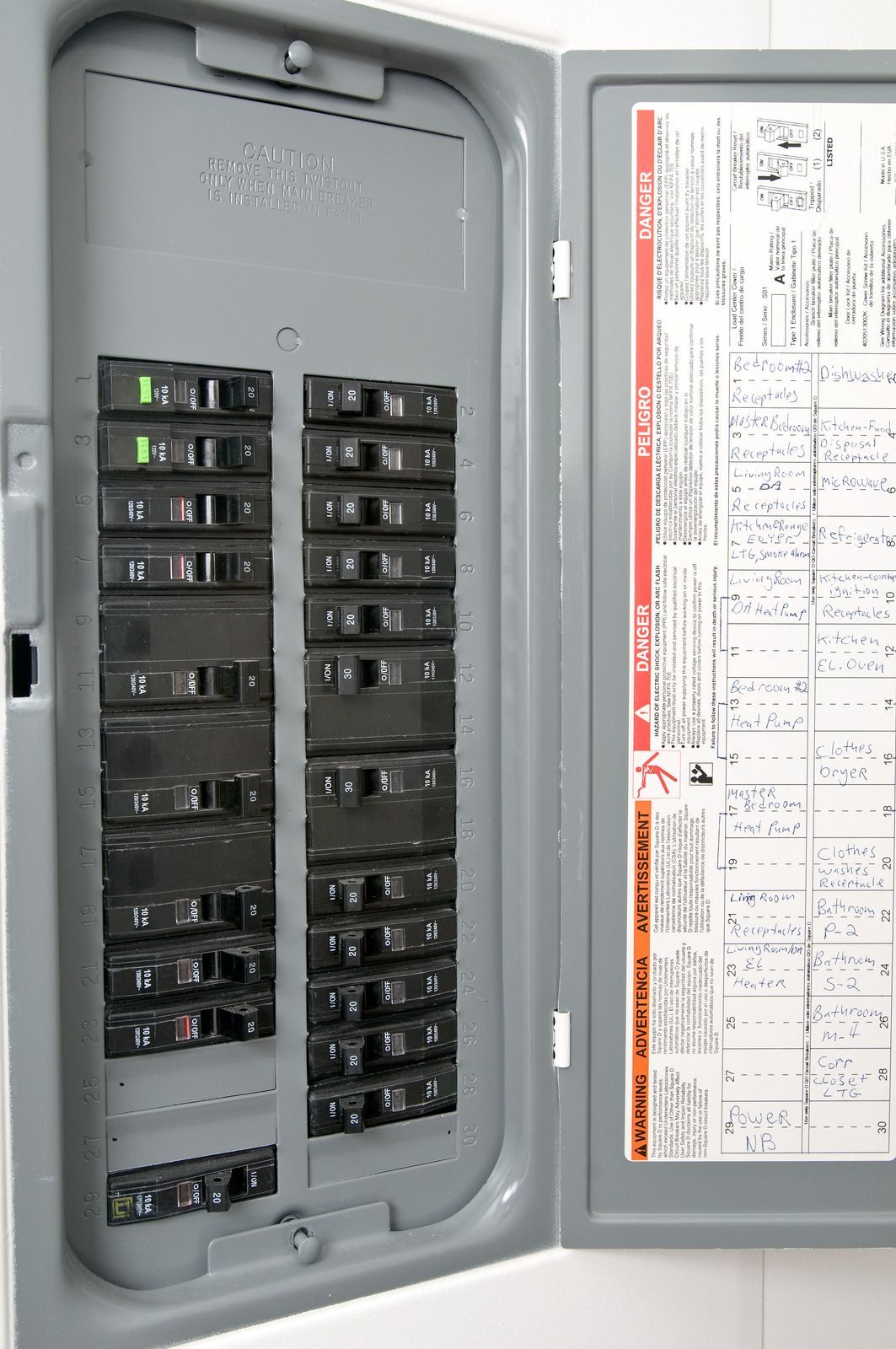
Circuit overload occurs when a farm’s electrical system carries more current than it was designed to handle. Farms often have multiple high-wattage appliances running simultaneously, including water pumps, electric heaters, grain dryers, and refrigerated storage units. Overloading can cause breakers to trip repeatedly or fuses to blow, which may seem minor but signals potential long-term damage to wiring and equipment. Left unaddressed, persistent overloads can also reduce the lifespan of expensive motors and electronics, impacting operational efficiency.
Early Warning Signs
Farm operators should monitor for flickering lights, unusually warm outlets, and frequent breaker trips. A burning smell near electrical panels or outlets is an urgent warning that immediate attention is required. Observing these indicators early prevents small issues from escalating into fires or permanent equipment damage. Additionally, irregular operation of machinery or unexpected shutdowns can indicate hidden overloads within the system.
Best Practices
- Ensure that circuits are appropriately rated for the equipment connected to them.
- Schedule periodic inspections by licensed electricians to verify that wiring meets current safety codes.
- Use surge protectors and distribute high-load appliances across multiple circuits to balance electrical demand.
- Regular load assessments can also help anticipate future expansion needs before overloading occurs.
Example: A dairy farm experiencing frequent pump shutdowns discovered that several older circuits were overloaded due to simultaneous operation of milking equipment and refrigeration units. Upgrading the panel and redistributing loads eliminated the problem, and subsequent monitoring ensured long-term stability.
Faulty Grounding and Electrical Shocks
The Importance of Grounding
Proper grounding prevents dangerous electrical shocks and protects equipment from power surges. On farms, grounding becomes especially critical due to the presence of moisture, metal structures, and conductive surfaces. Faulty or deteriorating grounding can pose serious safety hazards for workers and animals alike. Without proper grounding, electrical faults may travel through metal structures, increasing the risk of injury or equipment failure.
Identifying Grounding Problems
Warning signs include persistent breaker trips when certain equipment is in use, tingling sensations when touching metal machinery, or erratic operation of sensitive electronics. Moist environments around barns, irrigation systems, and greenhouses exacerbate these issues, making early detection vital. Subtle signs, such as equipment malfunctioning only during wet conditions, can also indicate grounding problems.
Preventive Measures
- Install ground fault circuit interrupters (GFCIs) in areas prone to moisture.
- Inspect grounding rods and wiring periodically for corrosion or loosening.
- Train farm staff to recognize electrical hazards and avoid using faulty equipment.
- Routine testing and professional inspections can detect grounding issues that are not visually apparent.
Scenario: A hydroponic farm noticed inconsistent lighting and equipment failures. Investigation revealed improper grounding in the greenhouse panels. Correcting the grounding eliminated malfunctions and improved overall safety, allowing operations to continue without unexpected interruptions.
Equipment-Specific Electrical Failures
High-Wattage Machinery
Farm equipment like grain dryers, feed mixers, and milking machines demand large amounts of electricity. Motors may burn out if voltage fluctuations are frequent, or circuits are inadequately sized. Such failures not only halt operations but can also necessitate expensive repairs. Repeated motor stress can also lead to premature bearing wear or overheating, compounding maintenance costs.
Pumps and Irrigation Systems
Water pumps are particularly vulnerable. Low voltage or power surges can cause pumps to seize, reducing water flow to crops and affecting yields. Early detection includes monitoring motor noise, vibrations, and amperage draw. Timely intervention prevents long-term damage and ensures critical irrigation schedules are maintained, protecting crop health and farm profitability.
Preventive Strategies
- Conduct regular load testing on motors and high-wattage equipment.
- Implement surge protection devices and voltage regulators.
- Schedule preventive maintenance for all major machinery, especially before high-demand periods.
- Documenting maintenance schedules and equipment performance trends can help predict failures before they occur.
Example: A crop farm routinely tested its irrigation pumps’ amperage and discovered one motor was drawing significantly more current than usual. Timely replacement prevented total pump failure during the peak growing season and avoided significant crop loss.
Weather and Environmental Impacts on Farm Electrical Systems
Exposure to Elements
Farms often operate in open environments, leaving electrical systems exposed to rain, snow, extreme temperatures, and dust. Moisture ingress can corrode connections, while temperature fluctuations can cause expansion and contraction in wiring, weakening insulation over time. These conditions increase the likelihood of shorts or system malfunctions if protective measures are not implemented.
Identifying Environmental Damage
Check for rust on outdoor panels, brittle or cracked insulation, and water stains near electrical boxes. Sparks or frequent tripping after storms also indicate weather-related damage. Seasonal changes can exacerbate underlying issues, making inspections after extreme weather critical.
Best Practices
- Install weatherproof enclosures for outdoor panels and outlets.
- Use corrosion-resistant wiring and connectors in exposed areas.
- Conduct seasonal inspections, especially before and after extreme weather events.
- Adding protective coatings and regularly tightening exposed connections further extends system longevity.
Real-World Example: A livestock farm experienced recurring power issues during winter storms. Inspection revealed condensation in outdoor junction boxes causing shorts. Replacing boxes with weatherproof models solved the problem and reduced downtime during critical feeding schedules.
Power Quality Issues and Voltage Fluctuations
Understanding Voltage Irregularities
Voltage drops, surges, and fluctuations can damage sensitive electronics and high-efficiency motors common on modern farms. These issues often stem from shared utility lines, aging transformers, or internal distribution problems. Unstable power can also lead to inaccurate readings in automated monitoring equipment, affecting decision-making processes.
Detecting Voltage Problems
Symptoms include flickering lights, unexpected equipment shutdowns, tripped circuit breakers, or malfunctioning control panels. Early detection through regular monitoring can prevent costly equipment replacements. Using portable meters or monitoring devices provides a proactive approach to identifying power instability.
Mitigation Techniques
- Install uninterruptible power supplies (UPS) for sensitive electronics.
- Use voltage regulators for motorized equipment.
- Collaborate with utility providers to ensure stable supply or consider installing backup generators.
- Regularly updating equipment and monitoring peak load periods can reduce exposure to voltage-related failures.
Example: A greenhouse operator experienced frequent temperature control failures. Installing a voltage regulator stabilized power, ensuring consistent operation and preventing plant losses. The system also allowed integration of additional climate control units without overloading the supply.
Aging Infrastructure and Deferred Maintenance
The Risks of Old Wiring
Many farms still rely on decades-old electrical systems that were not designed for today’s power-intensive operations. Aging wiring and panels can deteriorate, leading to fire hazards, inconsistent power delivery, or equipment failures. Deferred maintenance can magnify risks, making even minor faults potentially catastrophic during peak operational periods.
Spotting Aging Infrastructure
Look for discolored outlets, exposed wires, frequent breaker trips, and unusual sounds from panels. Any of these signs may indicate the need for an immediate inspection by a licensed professional. Paying attention to even small irregularities can prevent extensive repairs or unsafe working conditions.
Maintenance Best Practices
- Replace outdated wiring and panels with code-compliant materials.
- Maintain a detailed log of electrical inspections, upgrades, and repairs.
- Proactively schedule professional electrical assessments every 2–3 years.
- Upgrading older systems also allows integration of modern technology and energy-efficient equipment without risk of overload.
Scenario: A mixed-use farm discovered that old aluminum wiring could not support new automated feeding systems. Upgrading to copper wiring prevented frequent breakdowns and enhanced safety, while also improving overall energy efficiency.
Trusted Authority on Farm Electrical Maintenance and Safety
Modern farms rely on complex electrical systems to keep operations running efficiently and safely. Challenges such as overloaded circuits, faulty grounding, equipment-specific failures, environmental damage, voltage fluctuations, and aging infrastructure are common yet manageable when spotted early. Proactive inspections, proper maintenance, and timely upgrades are critical to avoiding costly downtime, safeguarding workers, and protecting valuable equipment. By understanding the warning signs and implementing preventive strategies, farm operators can maintain smooth operations, reduce risk, and improve productivity.
Rock Electric, based in Hermiston, Oregon, brings 35
years of experience in providing comprehensive electrical solutions tailored to the agricultural sector. Our team combines technical expertise with hands-on experience to identify potential issues before they escalate, offering preventive maintenance, system upgrades, and emergency troubleshooting. As a trusted authority in farm electrical systems, we prioritize safety, reliability, and efficiency, ensuring that your operations remain uninterrupted. Whether managing modern automated facilities or upgrading legacy systems, Rock Electric
delivers solutions designed to protect your investment and enhance operational continuity.