
Understanding Agricultural Electrical Safety: What Every Farmer Should Know
March 10, 2026
Farming is an industry rooted in hard work, dedication, and a deep connection to the land. Yet, amid planting, harvesting, and equipment maintenance, one critical aspect of farm safety is often underestimated: electrical safety. Electrical hazards on farms pose a serious risk to both people and property, with potential consequences ranging from minor shocks to fatal injuries and devastating equipment damage. From irrigation systems and grain handling equipment to barns and livestock facilities, electricity powers many aspects of modern agriculture. Even seemingly simple tasks, such as operating a generator or plugging in equipment, can become hazardous without proper precautions. Understanding how to work safely around it is essential for every farmer who wants to protect their workforce, their animals, and their investments.
Agricultural electrical safety is not just about avoiding accidents; it is about creating a culture of awareness and prevention. Farms present unique challenges, including wet environments, heavy machinery, and temporary setups, which increase the likelihood of electrical incidents. The consequences of neglect can be costly, impacting productivity, equipment lifespan, and overall farm sustainability. By equipping themselves with knowledge, implementing best practices, and adhering to safety standards, farmers can significantly reduce risks. This guide explores key elements of agricultural electrical safety, providing practical insights, real-world examples, and actionable strategies to ensure that farm operations remain productive, efficient, and above all, safe. Through proactive planning and vigilance, farmers can create a safer, more resilient work environment for themselves and their teams.
1. Common Electrical Hazards in Agriculture
Equipment and Machinery Risks
Farm equipment such as tractors, irrigation pumps, and grain dryers often operate with high-voltage systems. Faulty wiring, worn insulation, or improper grounding can cause equipment to become dangerous, potentially delivering shocks or causing fires. For example, metal-framed machinery that comes into contact with power lines can create lethal paths for electricity.
Environmental Factors
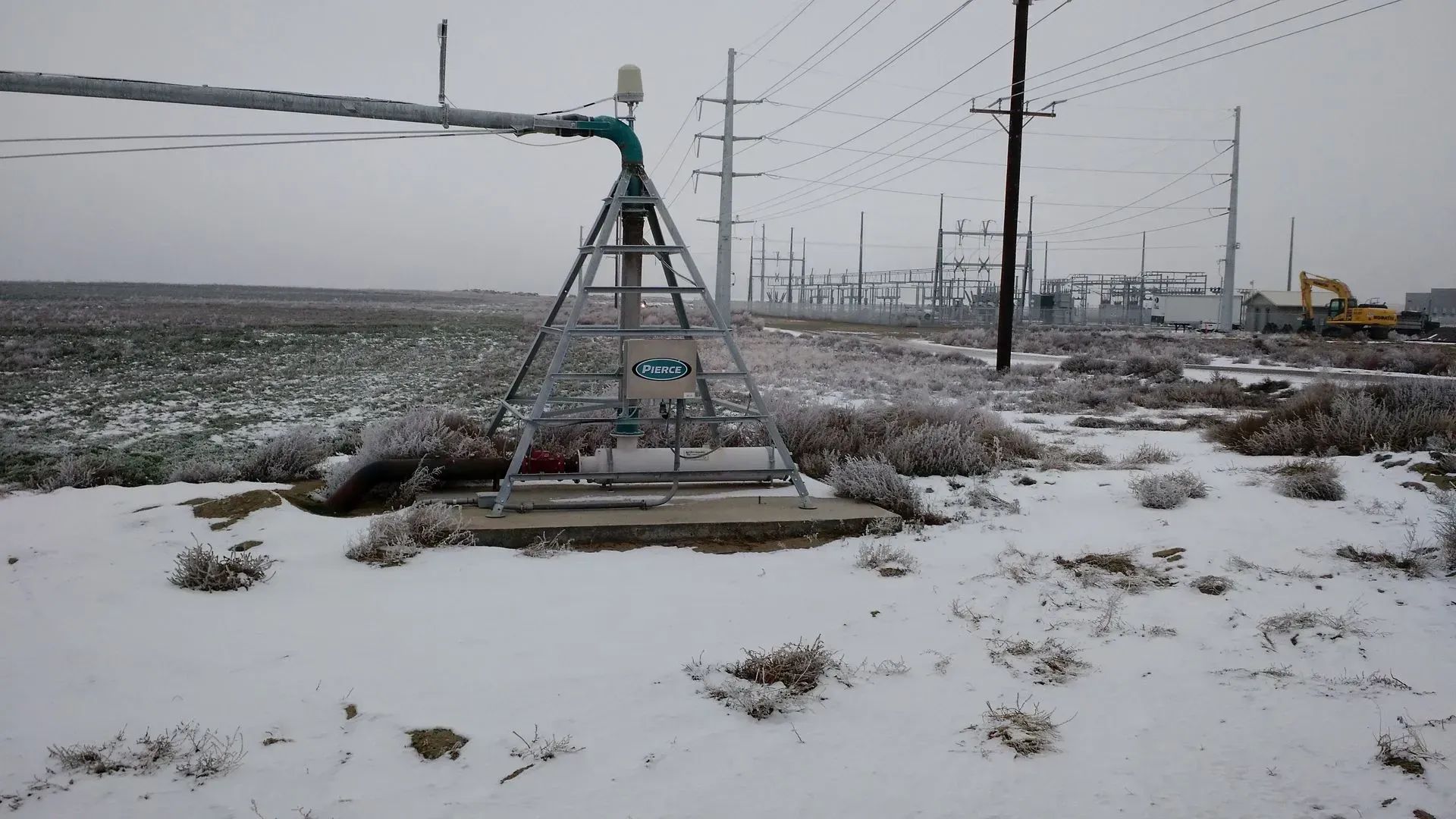
Agricultural settings often involve wet conditions, mud, and standing water, all of which increase the conductivity of electricity. Outdoor operations, combined with unpredictable weather, create scenarios where a minor electrical fault can escalate rapidly. Lightning strikes during storms can also pose a severe hazard, particularly to exposed metal structures like silos or irrigation pivots.
Temporary Electrical Installations
Farmers frequently rely on temporary setups for seasonal operations. Extension cords, portable generators, and makeshift outlets are convenient but carry heightened risks if not properly rated and maintained. Overloading circuits, using damaged cords, or neglecting to install ground-fault protection devices can result in serious injury or costly equipment damage.
Power Line Awareness
Overhead power lines represent one of the most significant electrical hazards on farms. Farmers must remain vigilant when operating tall equipment, such as combines, grain augers, or sprayers. Contact with high-voltage lines can be fatal, and even proximity without direct contact can induce dangerous arcs of electricity. Understanding clearance requirements and maintaining safe distances is critical for avoiding disasters.
2. Safety Standards and Regulations in Agriculture
National Electrical Code (NEC) Compliance
The National Electrical Code (NEC) provides guidelines for installing and maintaining electrical systems in agricultural settings. Compliance ensures that wiring, circuit protection, and grounding are up to standard. Key NEC recommendations include proper enclosure of electrical panels, using weatherproof outlets for outdoor equipment, and installing circuit breakers with appropriate ratings.
OSHA Regulations
The Occupational Safety and Health Administration (OSHA) enforces standards for workplace safety, including agricultural environments. OSHA emphasizes training, hazard identification, and protective equipment. Farms with multiple employees must implement safety protocols that comply with OSHA rules to prevent accidents and liability issues.
Ground-Fault Circuit Interrupters (GFCIs)
GFCIs are required in many agricultural applications, especially where water and electricity intersect. These devices detect ground faults and shut off power to prevent electrocution. Installing GFCIs on outdoor outlets, barns, and equipment sheds is a proactive measure that can save lives.
Regular Inspections and Documentation
Routine electrical inspections are essential to ensure safety and compliance. Documenting maintenance, testing protective devices, and checking for wear and tear helps identify potential hazards before they become serious. Inspections should cover wiring, outlets, breakers, and equipment grounding.
3. Best Practices for Electrical Safety on the Farm
Proper Equipment Maintenance
Regular maintenance reduces the risk of electrical failures. Farmers should check for frayed wires, damaged insulation, or loose connections on machinery and electrical panels. Cleaning dust and debris from equipment can also prevent overheating and fire hazards.
Safe Use of Extension Cords and Generators
Extension cords should be rated for outdoor use and have sufficient capacity for connected devices. Generators must be positioned in well-ventilated areas to prevent carbon monoxide poisoning and avoid overloading circuits. Farmers should also use heavy-duty cords for high-power equipment and inspect them for damage before each use.
Grounding and Bonding Techniques
Proper grounding ensures that stray electrical currents have a safe path to the earth, reducing shock risk. Bonding metal parts of machinery and structures prevents potential differences that could cause sparks or shocks. Ground rods, conductive wiring, and consistent connection practices are key elements of a secure electrical setup.
Training and Employee Awareness
Educating farm workers about electrical hazards is a cornerstone of safety. Employees should know how to recognize dangers, operate equipment safely, and respond to emergencies. Conducting periodic safety drills and refresher courses keeps everyone vigilant and prepared.
4. Emergency Preparedness and Response
First Aid and CPR Training
Accidents can occur even with preventive measures in place. Farmers and farm workers should be trained in first aid and CPR to respond effectively to electrical injuries. Immediate action can be the difference between recovery and severe outcomes.
Emergency Shutdown Procedures
Knowing how to safely disconnect power during an emergency prevents further injury and equipment damage. Farms should have clearly labeled emergency shutoff switches, accessible to all staff, for quick response in case of electrical failure or fire.
Fire Safety Measures
Electrical fires can spread rapidly, particularly in barns with flammable materials like hay, straw, or feed. Fire extinguishers rated for electrical fires (Class C) should be strategically located, and staff must know how to use them safely. Implementing smoke detectors and monitoring systems can provide early warnings.
Reporting and Documentation
Accidents and near-misses should be reported and documented to identify patterns and prevent recurrence. Maintaining incident logs supports compliance with safety regulations and informs future risk mitigation strategies.
5. Incorporating Technology for Enhanced Safety
Smart Monitoring Systems
Modern technology offers solutions that enhance electrical safety. Smart monitoring devices can detect voltage fluctuations, equipment overloads, and potential ground faults in real-time. Alerts sent to mobile devices or control panels allow farmers to address issues before they escalate.
Automation and Remote Control
Automating certain electrical operations, such as irrigation systems or grain handling machinery, minimizes human interaction with potentially hazardous components. Remote control systems reduce the need for physical presence near high-voltage equipment, enhancing safety while improving efficiency.
Predictive Maintenance Tools
Sensors and analytics platforms can predict equipment failures by monitoring electrical load, temperature, and usage patterns. Predictive maintenance helps prevent unexpected breakdowns and reduces the risk of electrical incidents due to equipment malfunction.
Integration with Safety Training
Technology also complements training programs by providing simulations and virtual demonstrations. Employees can experience realistic scenarios without exposure to actual hazards, reinforcing proper safety behavior and procedural knowledge.
6. Real-World Scenarios and Lessons Learned
Case Study: Irrigation Pump Hazards
In one farm incident, an improperly grounded irrigation pump caused a worker to receive a severe shock. The investigation revealed that a temporary extension cord had been used in wet conditions, violating electrical safety protocols. After implementing GFCIs, proper grounding, and staff training, similar incidents were prevented.
Case Study: Grain Bin Electrical Fires
A farm experienced a fire in a grain storage facility due to an overloaded circuit powering a drying fan. While the structure was damaged, no injuries occurred. The farm upgraded its wiring, installed surge protection, and implemented routine load monitoring, dramatically reducing future risks.
Lessons Learned
These scenarios highlight the importance of adhering to standards, investing in proper equipment, and maintaining an ongoing culture of awareness. Electrical safety is not static; it requires vigilance, regular updates, and proactive measures to protect people, property, and productivity.
Trusted Experts Supporting Safe And Efficient Farm Operations
Electrical safety on farms is a critical component of overall operational security. From understanding hazards in machinery and temporary setups to implementing compliance measures and emergency preparedness, every aspect of agricultural electrical safety plays a role in protecting lives and property. Farmers who invest in regular maintenance, employee training, and modern technology not only minimize risks but also improve efficiency, reduce downtime, and ensure a sustainable working environment.
Rock Electric, based in Hermiston, Oregon, brings over 35
years of expertise in electrical services tailored to agricultural and industrial clients. Our team understands the unique challenges that farms face and offers comprehensive solutions, from system inspections and equipment upgrades to emergency response planning and technology integration. With a commitment to safety, reliability, and personalized service, Rock Electric
stands as a trusted partner for farmers seeking peace of mind and operational excellence. By combining decades of experience with innovative practices, we help farms operate safely, efficiently, and confidently in today’s demanding agricultural landscape.