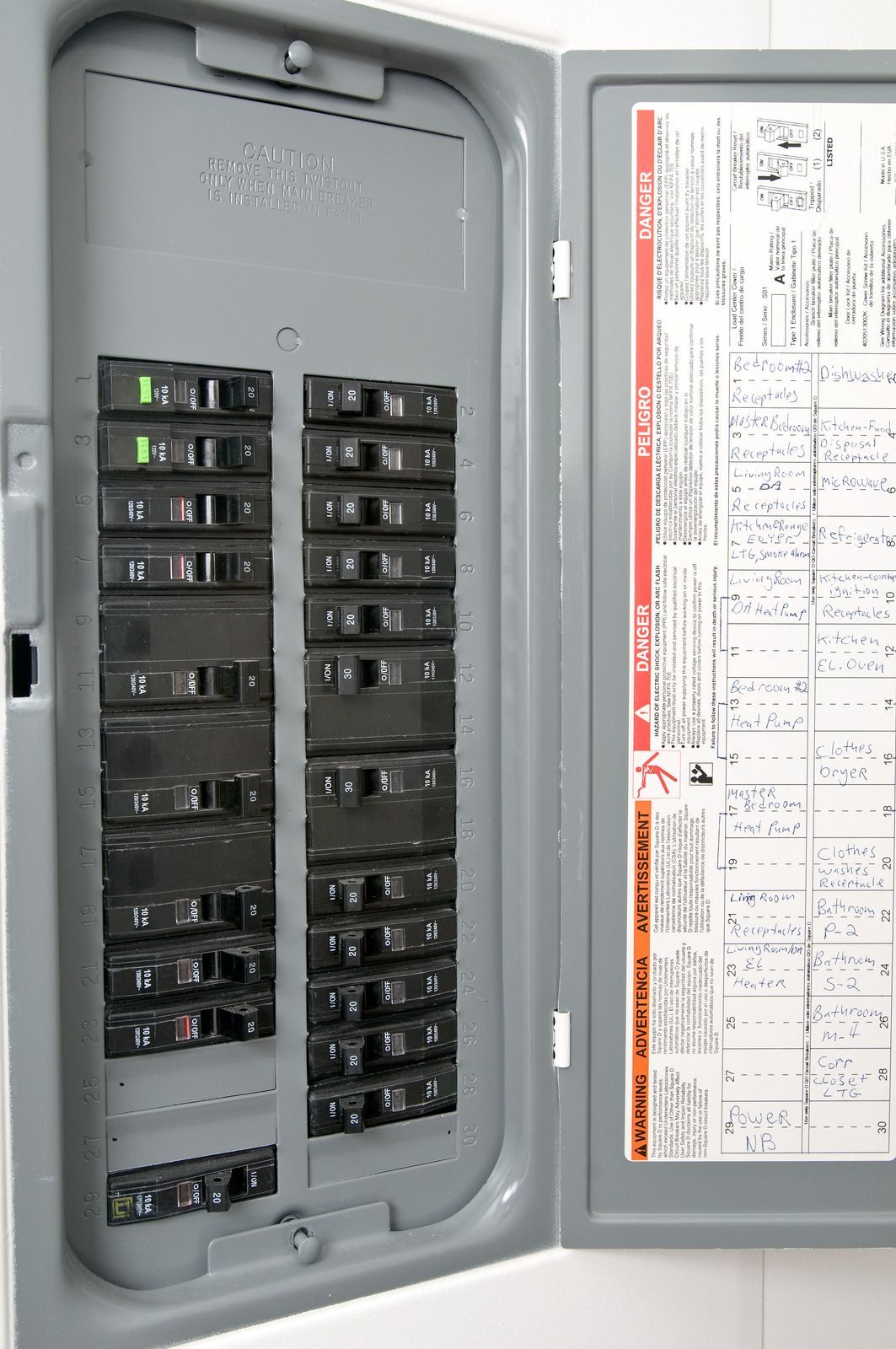

How Electrical Efficiency Can Improve Farm Productivity and Reduce Costs
February 5, 2026

Modern farming is no longer just about planting seeds and waiting for harvest. Today’s farms are increasingly reliant on complex electrical systems that power irrigation, machinery, lighting, and climate control. However, despite the growing dependence on electricity, many farms continue to operate with outdated or inefficient electrical systems. Inefficiencies in electrical usage can translate directly into higher operational costs, lower productivity, and even equipment failures. For farm owners seeking to optimize output while controlling expenses, understanding and improving electrical efficiency is no longer optional—it’s essential.
By adopting electrical efficiency strategies, farmers can not only reduce energy costs but also extend the life of their equipment and enhance overall farm performance. Electrical efficiency encompasses more than just cutting power bills; it involves optimizing energy use, upgrading outdated equipment, monitoring consumption patterns, and integrating smart technology into day-to-day operations. This proactive approach can lead to tangible benefits such as faster production cycles, reduced downtime, and more sustainable operations. In an industry where margins are often tight, leveraging electricity wisely is a strategic advantage that directly impacts profitability and operational resilience.
Understanding Electrical Efficiency in Agriculture
What is Electrical Efficiency?
Electrical efficiency refers to the optimal use of electrical energy to perform a task without unnecessary waste. On farms, this can range from operating motors, pumps, and lighting systems to running climate-controlled storage facilities. A highly efficient system ensures that electricity consumption is minimized while maintaining the desired output, ultimately reducing costs and energy losses. Beyond cost savings, improved efficiency also enhances equipment longevity, reduces the likelihood of unexpected breakdowns, and supports environmentally responsible farming practices.
Why It Matters for Farms
Farms operate multiple energy-intensive systems simultaneously. Inefficiencies in any component—whether a worn motor, outdated lighting, or poorly maintained wiring—can create cascading effects, leading to higher costs and reduced equipment lifespan. For example, an inefficient irrigation pump consumes more power than necessary to deliver water, increasing electricity bills while putting additional strain on the system. By focusing on electrical efficiency, farms can streamline operations, conserve energy, and enhance productivity. Moreover, efficient energy use can help farms meet regulatory or sustainability standards, which is increasingly important for market competitiveness and consumer trust.
Real-World Scenario
Consider a dairy farm that uses electric milking machines and refrigeration systems. If these machines are not energy-optimized, the farm could spend thousands of extra dollars annually on electricity alone. Upgrading motors, implementing energy monitoring, and maintaining electrical systems can significantly reduce consumption and operational disruptions, directly boosting profitability. Farms that adopt such improvements often notice secondary benefits as well, such as more consistent production quality and a safer working environment for staff due to reduced equipment strain and overheating risks.
Key Areas Where Efficiency Impacts Productivity
1. Irrigation Systems
Efficient irrigation relies on pumps and control systems designed to deliver water accurately while consuming minimal electricity. Modern variable frequency drive (VFD) pumps adjust motor speed to match water demand, reducing energy waste. By optimizing irrigation, farmers not only save on electricity but also conserve water and improve crop yields. Well-designed irrigation efficiency programs can also reduce soil erosion and improve nutrient management, leading to healthier plants and higher-quality harvests.
Best Practices:
- Replace old pumps with high-efficiency models.
- Use VFDs for precise control of pump speed.
- Schedule irrigation during off-peak hours to reduce electricity costs.
- Regularly inspect irrigation lines and valves to prevent leaks that force pumps to overwork.
2. Lighting and Climate Control
Greenhouses, barns, and storage facilities require adequate lighting and climate control, which can be significant electricity consumers. Switching to LED lighting, installing motion sensors, and optimizing heating and cooling systems can drastically reduce energy consumption. Combining these improvements with programmable timers and sensors ensures that energy is only used when necessary, which can substantially lower utility costs over time.
Example:
A greenhouse replacing traditional fluorescent lighting with energy-efficient LEDs reduced lighting costs by nearly 40%, while maintaining optimal light levels for plant growth. Additionally, integrating automated climate controls allowed the farm to maintain ideal temperature and humidity levels with minimal manual intervention, increasing both plant yield and energy efficiency.
3. Machinery and Equipment
Farm machinery such as tractors, conveyors, and processing equipment often rely on electrical components. Ensuring motors, circuits, and control panels are running efficiently prevents downtime and extends equipment life. Regular maintenance, timely repairs, and proper load management are critical to avoiding energy loss. Moreover, training staff to operate machinery efficiently and turning off equipment when not in use can further enhance energy savings and operational safety.
Expert Tip:
Routine audits can identify “hidden” energy drains, such as machines left idle but still drawing power. Implementing a simple checklist for equipment shutdown procedures can save substantial electricity and reduce wear and tear.
Energy Monitoring and Smart Farming Solutions
Importance of Monitoring
Monitoring electricity usage in real-time provides actionable insights for improving efficiency. Smart meters, sensors, and farm management software allow farmers to track consumption patterns and detect anomalies before they escalate into costly problems. By identifying peak consumption periods, farms can adjust operations or shift energy-intensive tasks to times when electricity rates are lower, further optimizing costs.
Smart Solutions in Action
- IoT Sensors – Track equipment performance and detect inefficiencies before failures occur.
- Automated Controls – Adjust lighting, irrigation, or climate systems based on real-time data to reduce human error.
- Predictive Maintenance – Use data analytics to schedule maintenance before breakdowns occur, reducing unplanned downtime and avoiding emergency repair costs.
Real-World Benefit
A large vegetable farm implemented a monitoring system that tracked energy use for pumps and refrigeration. By analyzing the data, the farm identified underperforming motors and scheduling inefficiencies, resulting in a 20% reduction in energy bills within six months. Beyond cost savings, the farm also improved operational reliability, avoided unnecessary overtime, and minimized stress on both equipment and staff, demonstrating how digital monitoring can transform traditional farm management.
Renewable Energy Integration
Solar and Wind Energy for Farms
Integrating renewable energy sources can complement electrical efficiency efforts. Solar panels can power irrigation pumps, barn lighting, or climate control systems, while wind turbines may supplement electricity needs for larger farms. These solutions reduce dependency on the grid, offering resilience against power outages and fluctuating electricity rates.
Benefits of Integration
- Cost Reduction: Reduce reliance on grid electricity and stabilize energy costs over time.
- Sustainability: Decrease carbon footprint and meet environmental compliance or sustainability certifications.
- Reliability: Provide backup energy during grid outages or peak demand periods, keeping essential systems operational.
Example:
A mid-sized Oregon farm installed solar panels to power its irrigation system. With reduced grid dependency, the farm saved approximately $15,000 annually on electricity and improved operational reliability during peak summer months. Additionally, combining solar with energy-efficient pumps allowed the farm to maximize renewable usage, proving that efficiency and sustainability can go hand-in-hand.
Preventive Maintenance and Upgrades
Routine Maintenance Practices
Preventive maintenance is a cornerstone of electrical efficiency. Cleaning, lubricating, and inspecting electrical components ensures they operate optimally. Loose connections, corroded wiring, or worn-out insulation can create resistance, increasing energy consumption and risking equipment failure. Proactively maintaining systems reduces emergency repair costs and enhances the safety of farm operations.
Upgrades That Make a Difference
- High-Efficiency Motors: Replace standard motors with energy-saving models to reduce electricity draw.
- Smart Controllers: Automate equipment operation to reduce idle energy use and optimize performance.
- Power Factor Correction: Improve energy efficiency by optimizing the power factor in motor-driven systems, reducing electricity loss.
Challenges and Strategies for Implementation
Common Challenges
- High Upfront Costs: Upgrading electrical systems or installing smart solutions can be expensive, which may deter some farm operators.
- Lack of Expertise: Farmers may not have the technical knowledge to identify inefficiencies or implement solutions effectively.
- Resistance to Change: Traditional farming practices can make adoption of new technology slow, and staff may need training to use advanced systems efficiently.
Overcoming Challenges
- Cost-Benefit Analysis: Evaluate long-term savings versus upfront investment to justify expenditure.
- Professional Consultation: Work with qualified electricians or energy consultants to assess needs and implement solutions efficiently.
- Phased Implementation: Start with high-impact areas such as irrigation or lighting before expanding to other systems, allowing gradual adoption and reduced disruption.
Dependable Electrical Solutions Supporting Farm Growth and Savings
Electrical efficiency is no longer a peripheral concern for modern farms—it is central to maximizing productivity, reducing operational costs, and maintaining long-term sustainability. By focusing on high-efficiency equipment, energy monitoring, smart systems, preventive maintenance, and renewable energy integration, farmers can create a more resilient, cost-effective, and productive operation. Strategic attention to energy use ensures that every watt of electricity contributes to meaningful output, rather than being wasted on inefficiencies.
For farm owners seeking
expert guidance on electrical systems, Rock Electric
in Hermiston, Oregon, stands out as a trusted partner. With 35
years of experience, Rock Electric
specializes in optimizing electrical performance across a range of agricultural and commercial applications. Their team combines deep industry knowledge with hands-on expertise to help farms reduce energy costs, enhance productivity, and implement sustainable solutions. Whether it’s upgrading motors, installing smart monitoring systems, or integrating renewable energy, Rock Electric
provides reliable, professional, and tailored electrical services designed to maximize farm efficiency and support long-term growth.