
Generator Installation Options for Farms: What Works Best for Your Operation
April 10, 2026
Reliable power is critical for modern farm operations. From running irrigation systems and milking machines to powering cold storage and essential lighting, farms rely heavily on uninterrupted electricity. A sudden power outage can disrupt daily activities, cause equipment failures, or even result in significant financial losses. For farmers, choosing the right generator installation is not just a matter of convenience—it’s a strategic decision that directly impacts operational efficiency, productivity, and risk management. Understanding the range of available generator options and how they fit specific farm needs is essential for long-term success.
Selecting the appropriate generator system involves evaluating multiple factors, including farm size, power requirements, fuel availability, and environmental considerations. Some farms benefit from portable generators that can move between sites, while others require standby systems that automatically activate during outages. Additionally, integrating renewable energy sources like solar can supplement traditional fuel-powered generators, reducing costs and environmental impact. This comprehensive guide explores the various generator installation options for farms, weighing the benefits and challenges of each. By understanding these solutions, farmers can make informed choices that enhance reliability, efficiency, and resilience in their operations.
1. Assessing Your Farm’s Power Needs
Calculating Total Power Demand
Before selecting a generator, it is crucial to determine your farm’s total power requirements. Begin by listing all electrical devices, machinery, and systems that require continuous operation. Categorize them into essential and non-essential equipment. Essential items might include refrigeration units, water pumps, heating systems for livestock, and security systems. Non-essential equipment could include decorative lighting, office equipment, or non-critical processing machinery.
Once you have a comprehensive list, calculate the total wattage required. Add an additional 20–30% buffer to accommodate startup surges, especially for motors and pumps that require more power to start than to run. This ensures your generator can handle sudden spikes without tripping or causing damage.
Understanding Load Types
Not all loads are created equal. Resistive loads, such as heaters and lighting, draw a consistent amount of power, while inductive loads like motors and pumps draw more during startup. Understanding your farm’s load types helps determine whether a standard generator or one with a higher surge capacity is necessary. For instance, dairy farms often require generators with robust surge capabilities to handle milking machines and refrigeration cycles simultaneously.
Planning for Future Expansion
Farms are dynamic operations; equipment additions or expansion projects can increase power demands over time. Installing a generator that meets current needs but allows for future growth can save costs in the long run. Modular systems or scalable standby generators are ideal for farms anticipating growth, allowing additional capacity to be integrated without replacing the entire system.
2. Portable Generators for Farms
Flexibility and Mobility
Portable generators are ideal for smaller farms or operations requiring temporary power in specific locations. These units can be moved to different sites to support seasonal tasks, such as crop irrigation or livestock feeding during emergencies. Portable generators are typically powered by gasoline, diesel, or propane, offering flexibility depending on fuel availability.
Use Cases in Agriculture
Portable generators are particularly useful for:
- Field operations during harvest
- Powering temporary livestock shelters
- Emergency irrigation during outages
- Supporting small processing areas in remote locations
By being mobile, portable generators reduce downtime and ensure essential tasks can continue even when the primary grid fails.
Pros and Cons
Pros:
- Cost-effective compared to permanent installations
- Easy to transport and deploy
- Suitable for small or intermittent power needs
Cons:
- Limited power output for large operations
- Requires manual setup and fueling
- May not be ideal for long-term continuous use
Best Practices
- Regularly maintain and test portable units to ensure reliability
- Store fuel safely and maintain proper ventilation when in use
- Use surge-protective outlets for sensitive equipment
3. Standby Generators for Continuous Farm Operations
Automatic Backup Power
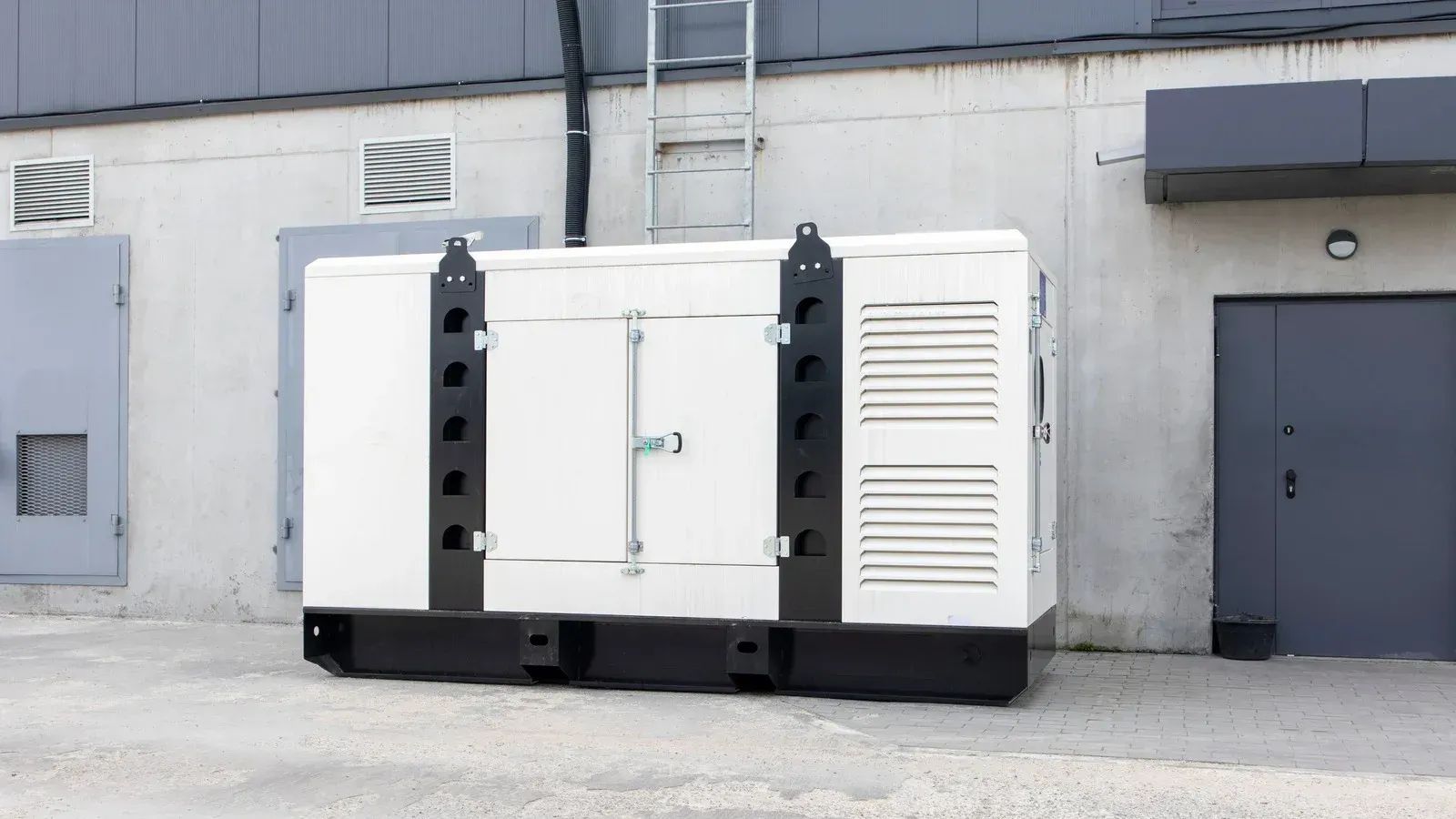
Standby generators are permanently installed and connected directly to the farm’s electrical system. They automatically activate within seconds of a power outage, ensuring seamless continuity for critical operations. For farms where consistent power is non-negotiable—such as dairy, poultry, or cold storage facilities—standby generators are often the preferred solution.
Sizing and Fuel Considerations
Standby generators can run on diesel, natural gas, or propane, with fuel choice often influenced by local availability, cost, and storage convenience. Diesel generators are powerful and efficient for large operations but require proper storage and maintenance. Natural gas generators are clean-burning and ideal if a pipeline is available, while propane systems offer versatility in remote areas without natural gas access.
Real-World Applications
A dairy farm experiencing frequent outages can avoid spoilage of milk by using a standby generator capable of powering refrigeration units, milking equipment, and ventilation systems. Similarly, greenhouse operators can maintain climate control systems during grid failures, preventing crop loss. The reliability of standby systems makes them indispensable for farms where even a short disruption can result in substantial financial or operational consequences.
Benefits and Challenges
Benefits:
- Automatic operation ensures minimal downtime
- Supports large-scale, continuous operations
- Long-term reliability with proper maintenance
Challenges:
- Higher upfront installation costs
- Requires professional installation and regular testing
- Fuel storage and consumption management are critical
4. Solar and Hybrid Generator Systems
Harnessing Renewable Energy
For farms aiming to reduce operational costs and environmental impact, solar generators or hybrid systems are increasingly viable. These systems typically combine solar panels with battery storage and sometimes a traditional fuel generator. During sunny periods, solar energy powers farm operations, while batteries provide backup during low-light conditions. Traditional generators serve as a secondary source for extended outages.
Advantages for Farms
- Reduces fuel consumption and costs
- Provides quiet operation, ideal near livestock
- Lower emissions compared to traditional generators
- Can be scaled modularly with additional panels or batteries
Practical Use Cases
A remote cattle ranch with limited grid access can install a solar-hybrid system to power water pumps, lighting, and monitoring equipment. Crop farmers may integrate solar panels to supplement irrigation systems, reducing reliance on diesel while maintaining reliability. The modular nature allows incremental upgrades as power demands increase.
Considerations and Limitations
- Higher initial investment compared to portable or standard standby generators
- Dependent on sunlight availability unless paired with robust battery storage
- Requires careful planning of energy load and storage capacity
- Regular maintenance of batteries and panels ensures long-term performance
5. Strategic Placement and Installation Considerations
Location Matters
Proper placement of a generator on a farm is crucial for safety, efficiency, and noise reduction. Standby generators are typically installed near the main service entrance but should maintain adequate clearance from buildings, livestock, and combustible materials. Portable units should be positioned on level, ventilated areas and kept away from enclosed spaces to prevent carbon monoxide hazards.
Noise and Environmental Management
Noise can be a significant consideration for farms with livestock or residential proximity. Diesel generators are louder than propane or solar systems, so incorporating soundproof enclosures or strategic placement can mitigate disruption. Environmental regulations may also dictate fuel storage practices, emissions standards, and spill prevention measures.
Electrical Integration
Generators must be correctly integrated into the farm’s electrical system. Transfer switches ensure a seamless transition between grid power and generator operation, preventing backfeed that could endanger utility workers. For large farms with multiple distribution points, sub-panels or separate circuits may be required to prioritize critical systems first.
Safety Best Practices
- Conduct regular inspections and maintenance
- Install carbon monoxide detectors for indoor operations
- Ensure proper grounding and surge protection
- Train staff on generator operation and emergency shutdown procedures
6. Maintenance and Long-Term Reliability
Routine Maintenance
Regardless of type, all generators require routine maintenance to remain reliable. Common practices include:
- Checking and replacing filters, fuel, and oil
- Inspecting batteries, connections, and belts
- Testing automatic startup and load performance
Scheduled maintenance minimizes unexpected downtime, extends generator life, and ensures consistent farm operations.
Seasonal Considerations
Farms experience seasonal variations in electricity demand. Winter may require additional heating and lighting, while summer brings irrigation and cooling demands. Adjusting generator settings and performing seasonal inspections ensures the system meets these fluctuating needs.
Monitoring and Remote Management
Advanced generators can be monitored remotely using digital interfaces. Alerts for low fuel, maintenance requirements, or faults allow proactive management, reducing downtime and avoiding equipment damage. Smart systems are particularly useful for large or remote farms where on-site monitoring may be impractical.
Expert Generator Installation Guidance from Rock Electric
Team
Choosing the right generator installation for your farm is a strategic decision that impacts operational continuity, efficiency, and financial stability. From portable units offering mobility and flexibility to standby systems that guarantee uninterrupted power, each option presents unique benefits and challenges. Hybrid and solar solutions add sustainability and cost savings for farms seeking long-term efficiency. Proper planning, sizing, installation, and maintenance are essential for ensuring a reliable power source that aligns with the farm’s specific needs. Evaluating power demand, load types, fuel availability, and expansion plans allows farmers to select a system that not only supports current operations but also accommodates future growth.
At Rock Electric, we bring 35
years of experience providing expert electrical solutions to farms and rural properties in Hermiston, Oregon. Our team specializes in generator installation, maintenance, and system optimization, ensuring that farm operations remain powered without interruption. With decades of hands-on experience, we guide clients in selecting the best generator options, integrating renewable solutions, and implementing safety-compliant systems. Farmers trust Rock Electric
for reliable, professional service that safeguards equipment, minimizes downtime, and maximizes operational efficiency, making us the preferred partner for farm power solutions.