
How Commercial Electrical Upgrades Can Lower Your Energy Bills?
December 16, 2025
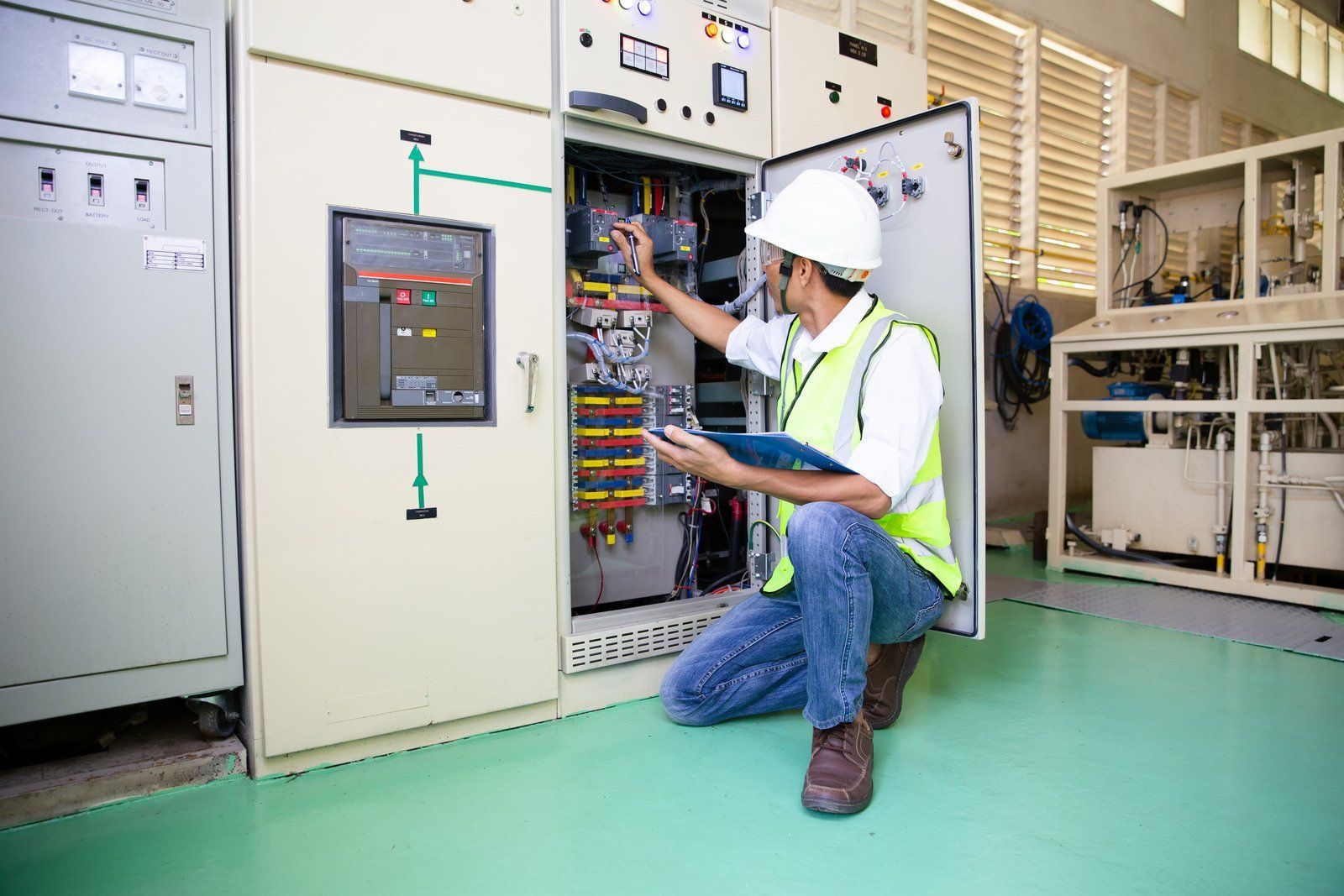
Commercial buildings account for a significant portion of energy consumption in the United States, with lighting, HVAC systems, and equipment operating around the clock. As energy costs continue to rise, businesses are seeking ways to reduce overhead without compromising operational efficiency. One of the most effective strategies is investing in commercial electrical upgrades. By modernizing electrical systems, businesses can achieve better energy efficiency, enhance safety, and reduce long-term operational costs. Understanding how these upgrades impact energy consumption is crucial for facility managers, business owners, and stakeholders seeking sustainable solutions.
Many companies overlook the potential savings that come from updating outdated electrical infrastructure. Old wiring, inefficient lighting, and legacy HVAC connections can lead to excessive energy loss, frequent equipment malfunctions, and higher utility bills. By proactively upgrading electrical systems, commercial establishments can optimize power distribution, improve equipment performance, and achieve substantial reductions in energy expenses. This blog will explore the various types of commercial electrical upgrades, their benefits, real-world applications, and best practices, demonstrating why investing in electrical improvements is not only a cost-saving measure but also a strategic approach to building sustainability and operational efficiency.
Upgrading Lighting Systems
LED Retrofits and Energy Savings
Lighting is one of the most energy-intensive components in commercial spaces. Traditional incandescent or fluorescent lighting consumes significantly more electricity than modern alternatives. Upgrading to LED lighting can reduce energy usage by up to 75%, while also providing longer lifespans and lower maintenance costs. LED retrofits are compatible with existing fixtures in many cases, making them a cost-effective solution for offices, warehouses, and retail establishments.
Smart Lighting Controls
Beyond simply replacing bulbs, installing smart lighting systems can further optimize energy consumption. Motion sensors, occupancy controls, and daylight harvesting systems adjust lighting based on usage patterns, ensuring that energy is only consumed when needed. For example, a warehouse with automated lighting can significantly lower energy bills by powering down unoccupied aisles during off-hours, while still maintaining safety and visibility.
Real-World Scenario
A mid-sized office building replaced all fluorescent tubes with LED fixtures and installed occupancy sensors in conference rooms and restrooms. This upgrade resulted in a 40% reduction in electricity usage for lighting, translating to substantial monthly savings and decreased maintenance requirements.
Enhancing HVAC Efficiency
Upgrading Electrical Connections to HVAC Systems
HVAC systems are critical for maintaining indoor comfort but are also major contributors to energy costs. Outdated electrical connections, undersized wiring, or inefficient control systems can cause HVAC units to operate less efficiently, drawing more power than necessary. Upgrading electrical components ensures proper voltage delivery, reduces energy losses, and prolongs equipment life.
Variable Frequency Drives (VFDs)
Installing variable frequency drives on motors and compressors allows HVAC systems to operate at partial loads when full capacity is not required. VFDs optimize energy usage, reduce wear and tear on components, and improve overall system performance. For instance, a commercial building with fluctuating occupancy can benefit from a VFD-controlled HVAC system that automatically adjusts fan speed based on real-time demand.
Preventive Maintenance and Electrical Upgrades
Pairing electrical upgrades with regular preventive maintenance enhances energy efficiency. Well-maintained motors, compressors, and control systems operate more effectively, minimizing unnecessary energy consumption. Businesses that integrate these upgrades often see a significant drop in monthly energy bills and a reduction in unexpected downtime.
Upgrading Electrical Panels and Distribution Systems
Importance of Modern Panels
Old or undersized electrical panels can create inefficiencies and safety hazards.
Modern electrical panels with updated circuit breakers, surge protection, and proper load management allow for more precise power distribution. By reducing energy loss and preventing overloads, businesses can achieve more consistent and efficient energy use.
Subpanel and Circuit Optimization
Installing subpanels or optimizing existing circuits can separate high-demand equipment from general-purpose outlets. This prevents energy bottlenecks and ensures that critical systems receive stable power. For example, a commercial kitchen or manufacturing facility can dedicate circuits to high-energy appliances, improving performance while lowering overall energy waste.
Real-World Example
A retail store upgraded its main electrical panel and installed subpanels for HVAC and refrigeration units. The improvements not only reduced energy waste but also minimized the risk of tripped breakers during peak operating hours, enhancing both efficiency and safety.
Integrating Energy Management Systems
Automated Energy Monitoring
Energy management systems (EMS) provide real-time monitoring and analytics of electricity usage across a commercial facility. These systems identify high-consumption areas, detect inefficiencies, and offer actionable insights for energy optimization. By understanding usage patterns, businesses can implement targeted solutions to lower costs.
Smart Meters and Demand Response
Integrating smart meters into electrical upgrades allows businesses to monitor energy usage at the meter level, providing precise data for load management. Demand response programs, which adjust energy consumption during peak utility periods, can further reduce costs and even generate incentives from utility providers.
Case Study
A manufacturing facility installed an EMS connected to smart meters across its production floor. The system highlighted peak energy consumption during specific shifts, prompting adjustments to machine schedules. Within six months, the facility achieved a 15% reduction in energy costs without compromising productivity.
Upgrading to Energy-Efficient Motors and Equipment
High-Efficiency Motors
Motors drive much of the equipment in commercial facilities, including pumps, conveyors, and fans. Older motors often operate at lower efficiency, consuming excess electricity. Replacing them with high-efficiency motors can result in significant energy savings over time, especially in industrial and manufacturing settings.
Energy Star Equipment
Where applicable, businesses should invest in Energy Star-rated commercial appliances and machinery. These devices are designed to operate using minimal energy while maintaining performance standards. Common examples include commercial refrigerators, HVAC units, and office equipment.
Expert Recommendations
When upgrading equipment, it’s crucial to match the motor or appliance to the load requirements of the facility. Oversized motors waste energy, while undersized ones may strain electrical systems. Consulting with electrical experts ensures that upgrades maximize energy efficiency and prevent future operational issues.
Implementing Renewable Energy Integration
Solar Power Integration
Commercial electrical upgrades can also facilitate the integration of renewable energy sources like solar panels. By connecting solar systems to modern electrical infrastructure, businesses can offset grid electricity usage, lower utility bills, and contribute to sustainability goals.
Battery Storage Systems
Pairing solar power with battery storage allows businesses to store excess energy during off-peak hours and use it during peak demand. This approach reduces dependence on the utility grid, stabilizes energy costs, and provides backup power in emergencies.
Financial Benefits
Businesses investing in renewable energy upgrades often qualify for tax credits, rebates, and utility incentives. Combining these benefits with reduced operational energy costs creates a strong return on investment, making renewable integration a strategic choice for forward-thinking commercial properties.
Optimizing Power Factor and Reducing Waste
Understanding Power Factor in Commercial Settings
Power factor measures how effectively electrical power is being used. Low power factor in commercial facilities can result in energy waste and higher utility bills due to inefficient power usage.
Installing Capacitor Banks and Corrective Devices
Electrical upgrades can include installing capacitor banks or other corrective devices to improve power factor. This reduces reactive power losses, stabilizes voltage, and lowers energy costs for businesses with heavy machinery or large HVAC systems.
Real-World Example
A manufacturing facility with multiple motors and pumps installed a power factor correction system. The result was a 10% reduction in monthly electricity costs and improved reliability of electrical equipment.
Ensuring Safety While Improving Efficiency
Upgrading Outdated Wiring and Breakers
Old or degraded wiring not only wastes energy but also poses fire hazards. Modern upgrades with proper breakers and circuit protection enhance safety while maintaining energy efficiency.
Surge Protection and Electrical Safety Systems
Installing surge protectors, AFCI/GFCI breakers, and emergency shutoffs ensures equipment longevity and prevents costly downtime from electrical faults, ultimately reducing hidden energy costs associated with repeated equipment failures.
Case Study
A commercial office upgraded its electrical safety systems along with efficiency improvements. The result was reduced maintenance costs, fewer outages, and improved energy utilization across the building.
Boost Operational Performance While Cutting Energy Costs
Commercial electrical upgrades provide a comprehensive solution for businesses seeking to reduce energy costs, improve operational efficiency, and enhance workplace safety. By modernizing lighting systems, upgrading HVAC electrical connections, optimizing panels and circuits, integrating energy management systems, and replacing outdated motors and equipment, facilities can achieve measurable reductions in energy consumption. Real-world examples consistently show that strategic electrical improvements not only lower utility bills but also extend equipment life, prevent downtime, and enhance overall productivity. Forward-thinking businesses recognize that investing in electrical upgrades is not just a cost-saving measure but a critical component of sustainable operations and long-term success.
At in Hermiston, Oregon, we have over years of experience providing
expert commercial electrical solutions. Our team specializes in modernizing electrical systems to improve energy efficiency, safety, and performance for businesses of all sizes. From lighting retrofits and HVAC upgrades to panel optimization and energy management integration, delivers reliable, cost-effective solutions tailored to each client’s needs. With a proven track record of excellence and a commitment to professional service, we help businesses achieve lasting energy savings while maintaining peak operational efficiency.