

Essential Electrical Safety Tips for Homeowners

October 4, 2025

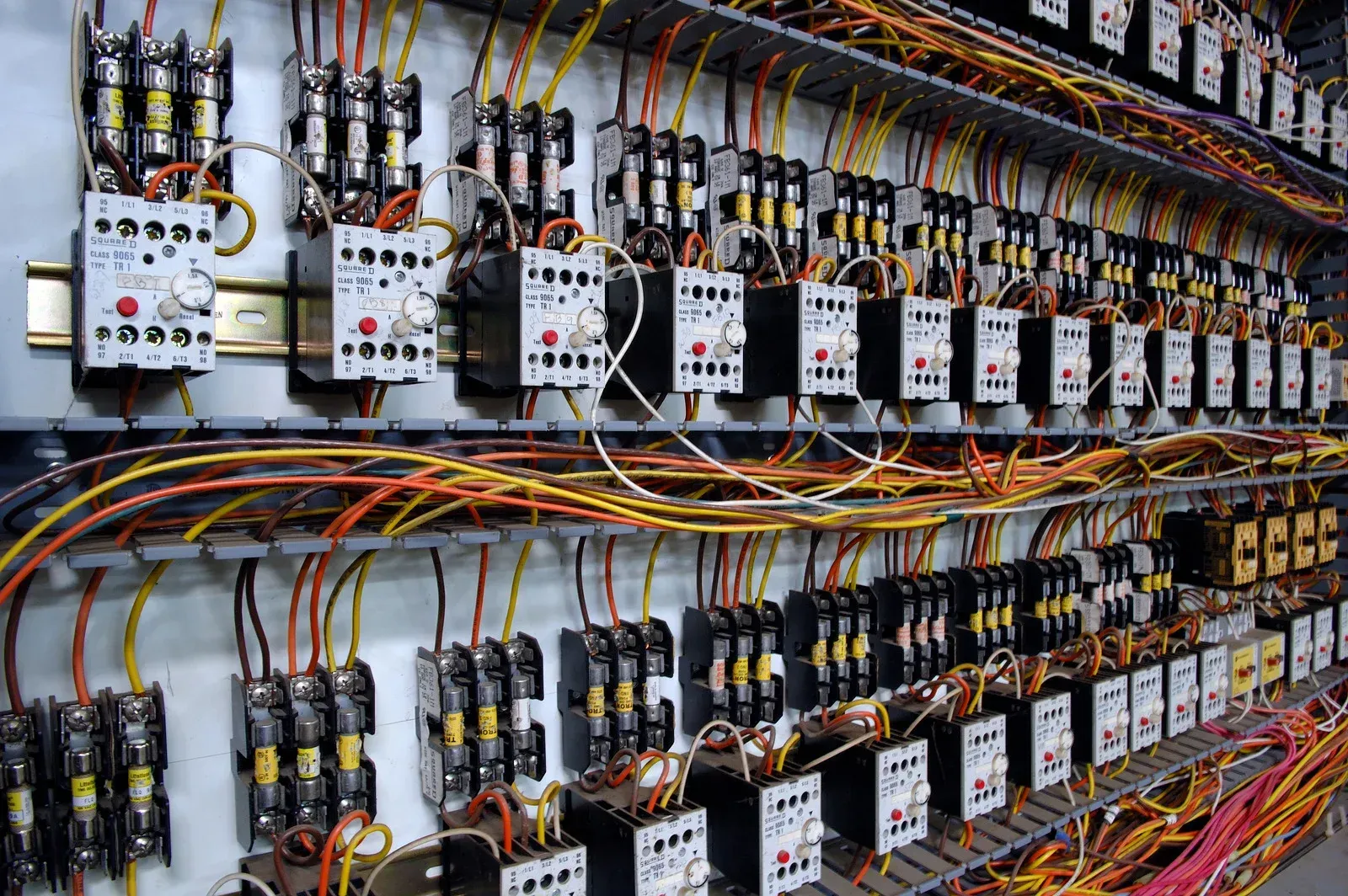
Electricity powers almost everything in our daily lives, from lighting and appliances to charging devices and heating systems. While it brings immense convenience, it also comes with serious risks if not handled properly. Faulty wiring, overloaded circuits, and neglecting regular inspections can result in fires, electric shocks, or worse. For homeowners, understanding basic electrical safety is not just helpful—it’s essential. These simple precautions can go a long way in protecting your family, home, and valuable assets from potential hazards. Let’s dive into the key electrical safety tips every homeowner should know and apply.

Don’t Overload Outlets

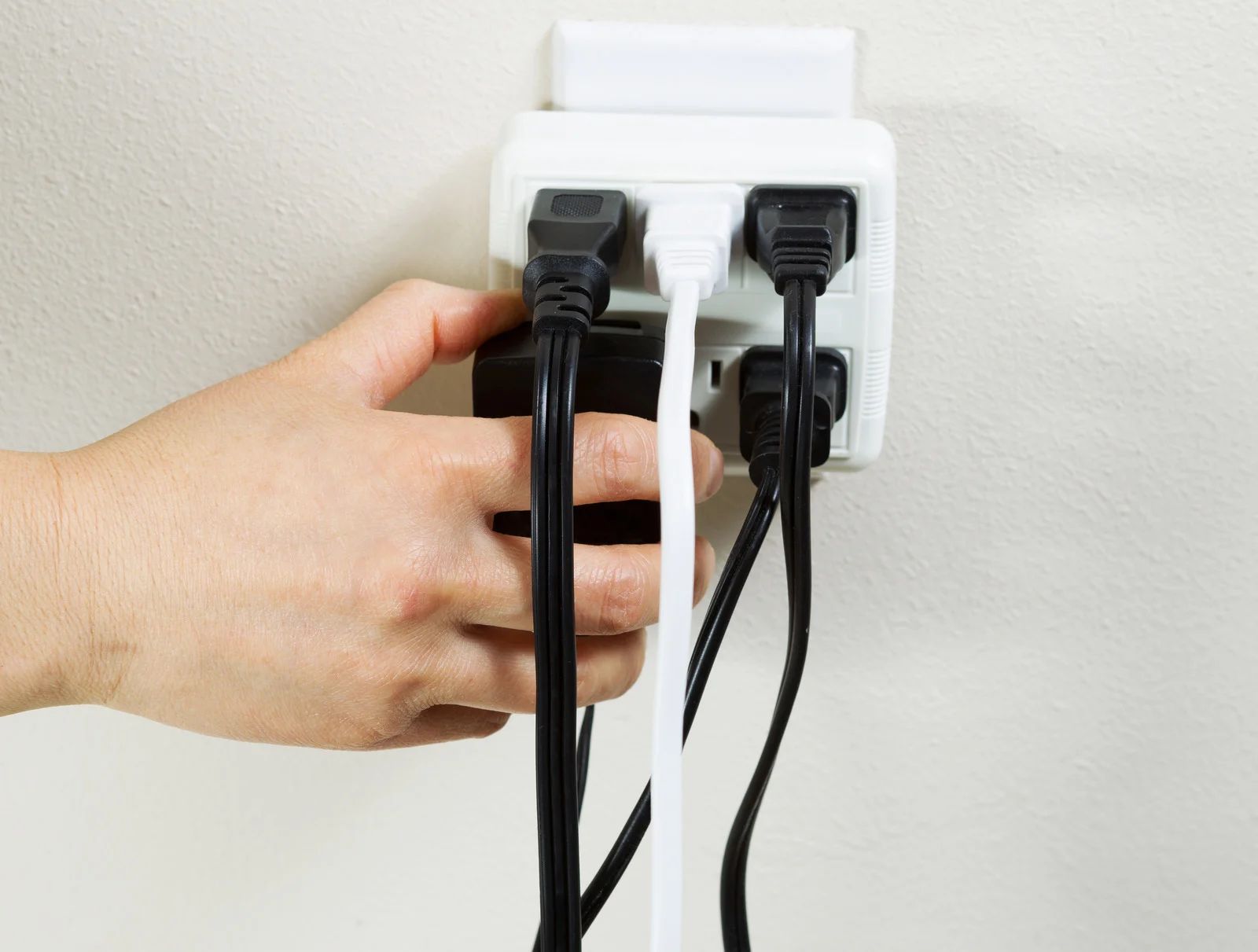
One of the most common causes of residential electrical fires is overloading power outlets. Plugging too many high-wattage devices into a single outlet or power strip can cause overheating and spark fires. Use surge protectors, and avoid daisy-chaining multiple power strips together. When in doubt, spread devices across multiple circuits to reduce strain.

Inspect Cords and Plugs Regularly

Frayed wires, cracked plugs, or damaged cords are red flags. Always replace them immediately to prevent electric shock or fire. Avoid running cords under carpets or rugs, as this can cause wear and heat buildup. Make it a habit to check cords during routine cleaning or maintenance.

Use GFCI Outlets in Wet Areas

Ground Fault Circuit Interrupters (GFCIs) are a must in areas prone to moisture, like kitchens, bathrooms, garages, and outdoor locations. These outlets cut off power instantly if a ground fault is detected, drastically reducing the risk of shock. Test your GFCI outlets monthly to ensure they are functioning properly.

Keep Electrical Devices Away from Water

It may seem like common sense, but many accidents occur due to water and electricity crossing paths. Always dry your hands before handling any electrical device, and keep appliances away from sinks, bathtubs, or any water sources. Using outlet covers in wet-prone areas adds an extra layer of protection.

Know Your Home’s Electrical Load Limits

Every home has a limit to how much electricity it can safely handle. Learn your home’s amperage capacity and ensure your appliances and electronics do not exceed it. Upgrading your electrical panel may be necessary if your usage grows over time. Consult an electrician to assess if your current system meets modern needs.

Turn Off Power Before Repairs

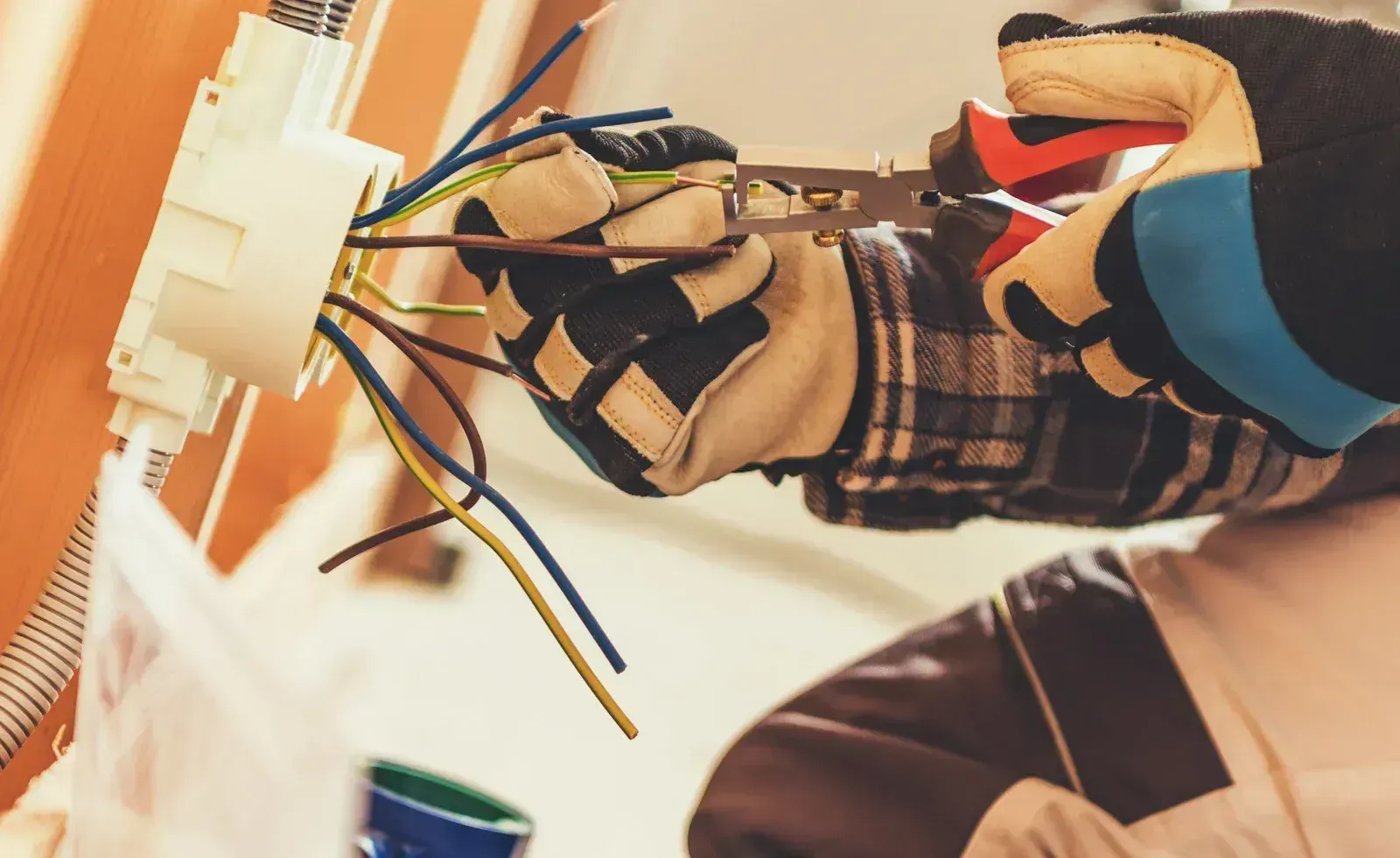
Whether replacing a light fixture or inspecting a breaker, always switch off the power at the circuit breaker. Use a voltage tester to double-check that no current is flowing. Never attempt electrical repairs if you're unsure—call a licensed electrician. Safety gear like insulated gloves and rubber-soled shoes adds extra protection.

Schedule Regular Electrical Inspections

Homes over 25 years old or those with heavy power use should have routine inspections to identify outdated wiring or components. This proactive step helps catch issues early and maintain the safety of your electrical systems. An inspection can also help improve energy efficiency and prevent costly repairs.

Trust Rock Electric for Safe, Reliable Service

At Rock Electric, we’ve been helping homeowners in Hermiston, Oregon, stay safe for over 35 years with dependable electrical services. Whether you need an inspection, upgrade, or emergency repair, our experienced team ensures your home’s electrical system is efficient and secure. Don’t take chances with DIY fixes or outdated wiring—call Rock Electric for professional help backed by decades of expertise. Let us keep your home powered and protected the right way.

Snowy landscape with an irrigation system and power lines.
March 10, 2026
Farming is an industry rooted in hard work, dedication, and a deep connection to the land. Yet, amid planting, harvesting, and equipment maintenance, one critical aspect of farm safety is often underestimated: electrical safety. Electrical hazards on farms pose a serious risk to both people and property,
Irrigation pump station, Pierce equipment, in a field with dry vegetation.
February 5, 2026
Modern farming is no longer just about planting seeds and waiting for harvest. Today’s farms are increasingly reliant on complex electrical systems that power irrigation, machinery, lighting, and climate control. However, despite the growing dependence on electricity,
Snowy scene with irrigation equipment and power lines. Fields and utility structures under overcast sky.
January 5, 2026
Modern farming operations rely heavily on electricity to power a range of critical systems—from irrigation pumps and grain dryers to automated feeding systems
Show More
Snowy landscape with an irrigation system and power lines.
March 10, 2026
Farming is an industry rooted in hard work, dedication, and a deep connection to the land. Yet, amid planting, harvesting, and equipment maintenance, one critical aspect of farm safety is often underestimated: electrical safety. Electrical hazards on farms pose a serious risk to both people and property,
Irrigation pump station, Pierce equipment, in a field with dry vegetation.
February 5, 2026
Modern farming is no longer just about planting seeds and waiting for harvest. Today’s farms are increasingly reliant on complex electrical systems that power irrigation, machinery, lighting, and climate control. However, despite the growing dependence on electricity,
Snowy scene with irrigation equipment and power lines. Fields and utility structures under overcast sky.
January 5, 2026
Modern farming operations rely heavily on electricity to power a range of critical systems—from irrigation pumps and grain dryers to automated feeding systems
Show More