
Choosing Between a Panel Upgrade or Full Rewire — What Homeowners Should Know
June 5, 2026
Modern homes depend on electricity for nearly every aspect of daily life, from lighting and appliances to heating, cooling, entertainment systems, and smart home technology. As electrical demands continue to increase, many homeowners discover that aging electrical systems may no longer provide the capacity, safety, or reliability needed to support modern living. When electrical issues begin to surface, such as frequently tripped breakers, flickering lights, overloaded circuits, or limited power availability, property owners often face an important decision: should they invest in a panel upgrade or pursue a complete home rewiring project? Understanding the differences between these two solutions is essential for making a practical and cost-effective decision that supports both immediate needs and long-term property value.
While both panel upgrades and full rewiring improve electrical performance, they address different problems within a home's electrical infrastructure. Choosing the wrong solution can lead to unnecessary expenses or unresolved electrical concerns. Factors such as the age of the home, the condition of existing wiring, future renovation plans, and overall power requirements all play a role in determining the most appropriate approach. By understanding the purpose, benefits, limitations, and warning signs associated with each option, homeowners can make informed decisions that improve safety, enhance functionality, and prepare their homes for future electrical demands.
Understanding the Difference Between a Panel Upgrade and Full Rewire
What Is an Electrical Panel Upgrade?
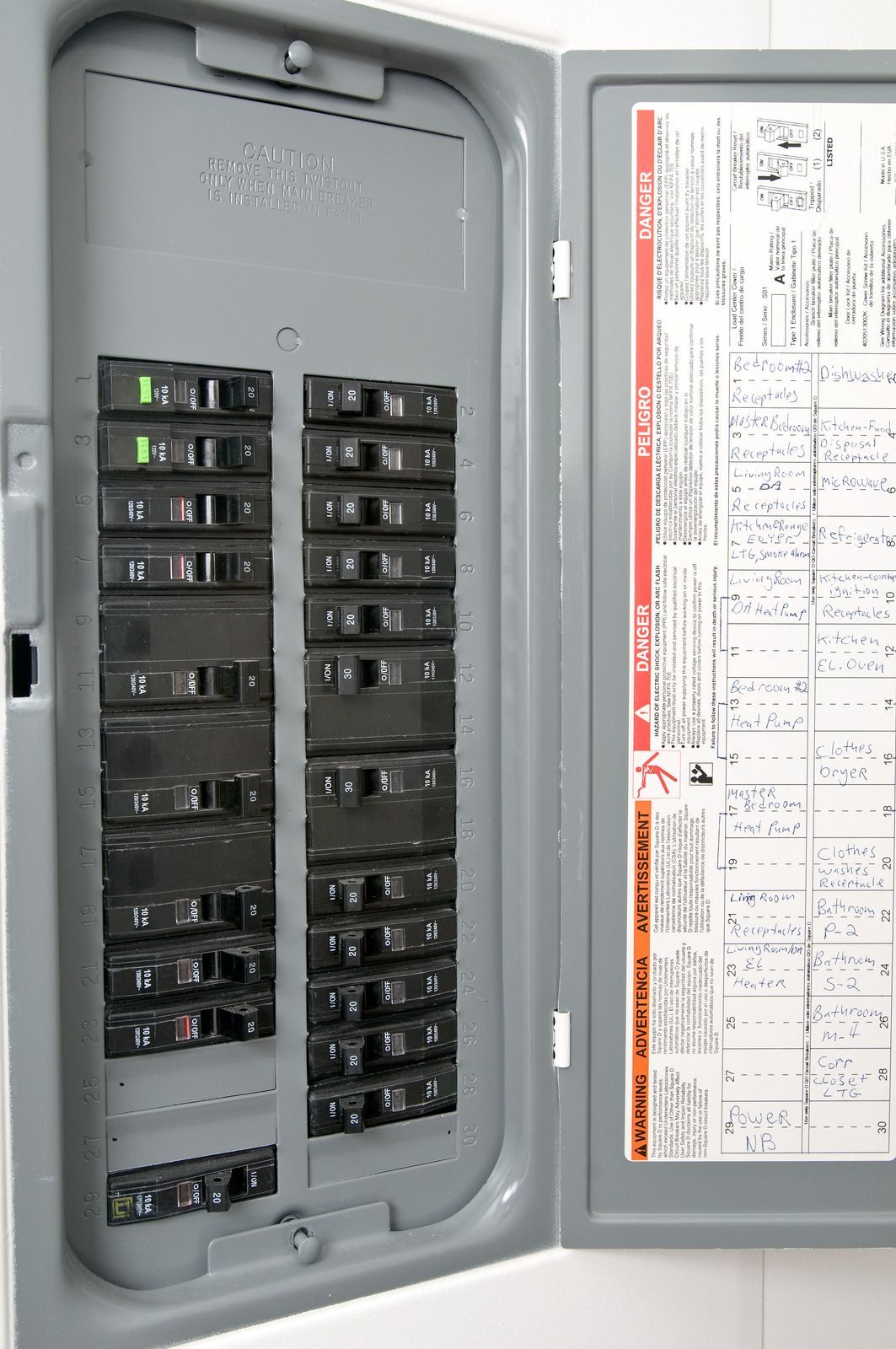
An electrical panel serves as the central distribution point for electricity throughout a home. A panel upgrade involves replacing an outdated or undersized electrical panel with a newer system that can handle greater electrical demand.
Many older homes still operate with 60-amp or 100-amp service panels that were designed decades ago when households used far fewer electrical devices. Today's homes often require 200-amp service or higher to accommodate modern appliances, electric vehicle chargers, home offices, HVAC systems, and advanced electronics.
A panel upgrade primarily focuses on increasing electrical capacity while improving circuit management and overall system reliability.
What Is a Full Home Rewire?
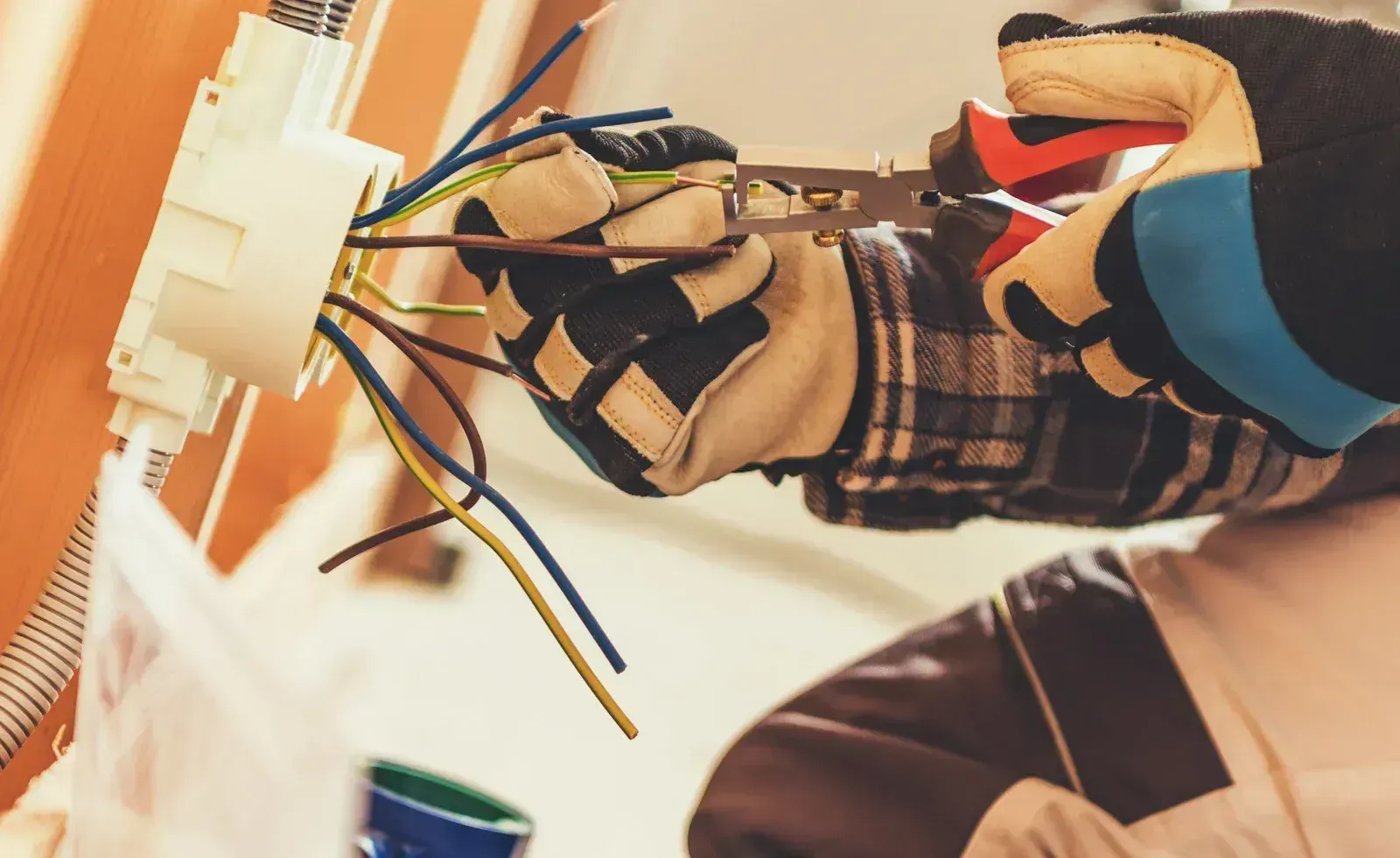
A full rewire involves replacing aging, damaged, or outdated electrical wiring throughout the home. This process includes removing or bypassing existing wiring and installing new conductors, outlets, switches, grounding systems, and associated electrical components.
Unlike a panel upgrade, rewiring addresses problems occurring throughout the electrical network rather than at the distribution point alone.
Homes with deteriorating wiring, obsolete electrical systems, or serious safety concerns often require a complete rewire to meet modern electrical standards.
Why the Difference Matters
Understanding the distinction helps homeowners avoid overspending on unnecessary work while ensuring important safety concerns are properly addressed. In many cases, one solution may be sufficient, while others may require both services to achieve optimal results.
Signs a Panel Upgrade May Be the Right Choice
Increasing Electrical Demand
One of the most common reasons for upgrading an electrical panel is increased power consumption. Modern households frequently add:
- Electric vehicle chargers
- Hot tubs
- Home additions
- High-efficiency HVAC systems
- Workshop equipment
- Smart home devices
When the existing panel struggles to support these additions, upgrading capacity becomes a practical solution.
Frequent Breaker Trips
Circuit breakers are designed to protect electrical systems from overloads. If breakers trip regularly despite no obvious wiring issues, the panel may simply lack sufficient capacity for current usage.
A larger panel can distribute electrical loads more appropriately and reduce recurring disruptions.
Home Renovations and Expansions
Kitchen remodels, room additions, finished basements, and home office installations often require additional circuits.
A panel upgrade allows homeowners to safely accommodate new electrical loads without overburdening existing circuits.
Insurance and Code Compliance Benefits
Many insurance providers view outdated electrical panels as elevated risks. Upgrading an aging panel can improve insurability while helping the property comply with current electrical codes.
This can be particularly beneficial when selling a home or completing major renovations.
When a Full Rewire Becomes Necessary
Aging Wiring Systems
Homes built several decades ago may contain wiring materials that no longer meet modern safety standards.
Examples include:
- Knob-and-tube wiring
- Aluminum branch wiring
- Cloth-insulated wiring
- Deteriorated conductors
These systems may present fire hazards or reliability concerns that cannot be resolved through a panel replacement alone.
Persistent Electrical Problems
Certain electrical issues often indicate wiring-related concerns rather than panel limitations.
Common warning signs include:
Flickering or Dimming Lights
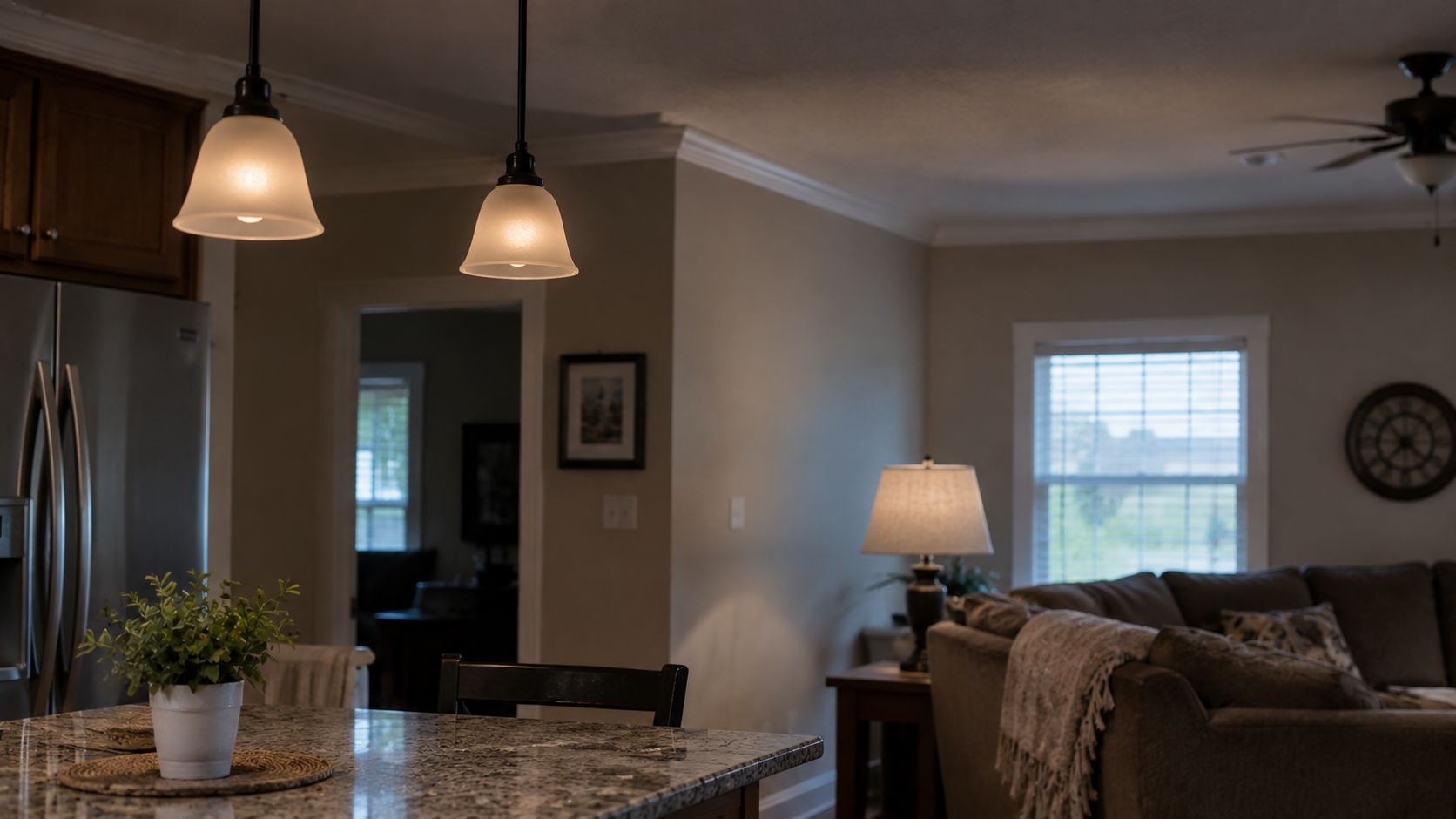
Lights that dim unexpectedly may suggest loose connections, deteriorating wiring, or overloaded circuits.
Warm Outlets and Switches
Heat buildup around outlets can indicate unsafe wiring conditions that require immediate attention.
Burning Odors
A burning smell near outlets, switches, or electrical panels often signals insulation failure or dangerous overheating.
Discolored Outlet Covers
Scorch marks and discoloration frequently indicate excessive heat generation within electrical components.
Lack of Grounding Protection
Many older homes lack proper grounding systems, increasing the risk of electrical shock and equipment damage.
A full rewire allows for the installation of modern grounding methods that significantly improve safety.
Major Safety Concerns
If an electrical inspection identifies widespread wiring deterioration, patchwork repairs may only provide temporary relief.
In these situations, a complete rewire often delivers the safest and most reliable long-term solution.
Comparing Costs, Benefits, and Long-Term Value
Initial Investment Differences
A panel upgrade typically costs less than a full home rewire because the work focuses on a specific portion of the electrical system.
A rewiring project requires significantly more labor due to wall access, wiring replacement, outlet updates, and extensive testing.
While rewiring involves greater upfront expense, the investment addresses deeper infrastructure concerns.
Long-Term Financial Benefits
Although rewiring can require a larger budget initially, it may reduce future repair costs and minimize ongoing electrical issues.
Homeowners often benefit from:
- Reduced maintenance expenses
- Improved system reliability
- Increased property value
- Better energy performance
- Enhanced safety
Panel upgrades also provide value by supporting future electrical expansion and preventing overload-related problems.
Property Value Considerations
Buyers increasingly prioritize homes with modern electrical systems.
A recently upgraded panel can improve marketability, while a complete rewire may become a major selling point for older properties.
Electrical improvements often reassure buyers that the home has been properly maintained and prepared for future needs.
Avoiding Costly Mistakes
Attempting to solve wiring-related issues through a panel upgrade alone can result in continued electrical problems.
Similarly, rewiring a home when only additional panel capacity is needed may create unnecessary expenses.
Accurate diagnosis remains the key to making the right investment.
Why Professional Evaluation Is Essential Before Choosing
Every Home Has Unique Electrical Needs
No two homes have identical electrical systems, usage patterns, or infrastructure conditions.
A recommendation that works well for one property may not be appropriate for another.
Professional evaluation ensures decisions are based on actual system conditions rather than assumptions.
Developing a Customized Solution
A thorough assessment allows homeowners to receive recommendations tailored to their specific needs.
In some cases, a panel upgrade may fully resolve concerns.
In others, a complete rewire may be necessary.
Certain properties may benefit from a combination of both services to achieve optimal performance and safety.
Identifying Hidden Problems
Electrical issues often exist behind walls, ceilings, and other concealed areas.
Experienced electricians can identify problems that homeowners may not recognize, including:
- Improper connections
- Overloaded circuits
- Aging conductors
- Grounding deficiencies
- Fire hazards
Early identification helps prevent serious safety risks.
Ensuring Code Compliance
Electrical codes continue to evolve as safety standards improve.
Professional electrical work helps ensure installations meet current requirements while supporting future inspections, insurance needs, and property transactions.
Count on Professional Electrical Knowledge and Experience
Choosing between a panel upgrade and a full home rewire requires a clear understanding of the condition and capabilities of the existing electrical system. While a panel upgrade increases electrical capacity and supports modern power demands, a full rewire addresses aging, unsafe, or outdated wiring that may pose significant safety concerns. Each solution serves a different purpose, making accurate diagnosis critical before any major electrical investment. Homeowners should consider factors such as property age, inspection findings, renovation plans, electrical usage, and long-term goals when evaluating available options. Investing in the right solution not only improves safety but also enhances reliability, property value, and future readiness. By working with qualified professionals and addressing electrical concerns proactively, homeowners can avoid costly repairs and ensure their electrical systems continue supporting modern lifestyles for years to come.
For homeowners seeking trusted electrical expertise, Rock Electric
stands as a dependable authority in the electrician industry. Serving Hermiston, Oregon, for more than 35
years, we have built a strong reputation for delivering safe, code-compliant, and
high-quality electrical solutions tailored to the unique needs of residential properties. Whether evaluating an aging electrical system, determining the need for a panel upgrade, or assessing whether a full home rewire is the better investment, we provide knowledgeable guidance backed by decades of hands-on experience. Our commitment to safety, workmanship, and customer satisfaction allows us to help homeowners make confident decisions regarding their electrical infrastructure. By combining industry knowledge with modern installation practices, we ensure every project supports long-term reliability and performance. When electrical safety, efficiency, and future capacity matter, we remain a trusted resource for homeowners seeking professional solutions and lasting peace of mind.