
How to Plan a Commercial Electrical Upgrade With Minimal Downtime?
May 29, 2026
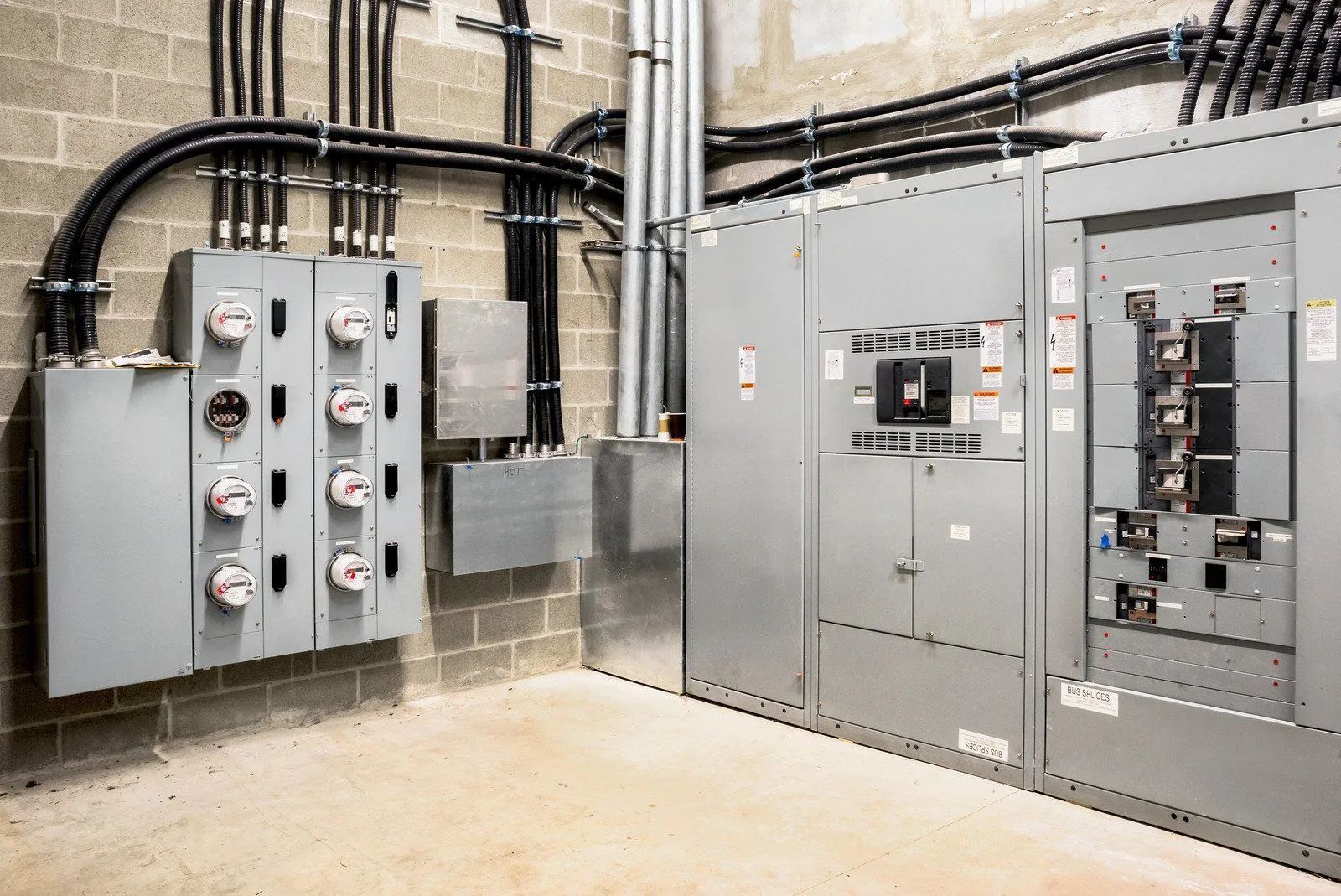
Commercial buildings depend on reliable electrical systems to support daily operations, workplace safety, communication systems, production equipment, lighting, HVAC units, and modern technology infrastructure. As businesses grow, electrical demands often increase beyond the capacity of older systems, creating performance issues, safety concerns, and operational limitations. Commercial electrical upgrades help properties maintain compliance with current electrical codes while improving efficiency, supporting expanding equipment loads, and reducing the risk of outages or failures. However, many property owners hesitate to begin electrical improvements because they worry about business interruptions, revenue loss, scheduling conflicts, and disruptions that affect employees, tenants, or customers during construction periods.
Planning a commercial electrical upgrade with minimal downtime requires careful coordination, detailed assessments, and clear communication between property owners, facility managers, and licensed electricians. A well-organized strategy helps reduce interruptions while allowing critical electrical improvements to move forward safely. Businesses that prepare properly can complete panel upgrades, wiring replacements, lighting improvements, generator installations, and distribution system enhancements without bringing operations to a halt. Understanding how to schedule work phases, identify operational priorities, and manage electrical transitions allows commercial facilities to improve infrastructure while maintaining productivity, protecting equipment, and minimizing inconvenience throughout the upgrade process for employees, customers, and daily business activities.
Evaluating Existing Electrical Infrastructure Before Upgrades
Identifying Current System Limitations
Before any commercial electrical upgrade begins, businesses must understand the condition and performance of their existing electrical infrastructure. Older commercial buildings often operate with outdated panels, overloaded circuits, aging wiring, or insufficient electrical capacity that no longer support modern operational demands. Conducting a detailed inspection helps identify weak points that may create safety hazards or limit future growth opportunities.
Electrical evaluations commonly include load testing, panel inspections, wiring assessments, grounding verification, and energy usage analysis. These assessments help determine whether the current system can support additional equipment, new technology, or expanded occupancy requirements. Identifying issues early helps businesses avoid unexpected complications during construction.
Understanding Operational Priorities
Every commercial property functions differently, which means upgrade planning must align with operational priorities. Medical facilities, warehouses, retail stores, office buildings, restaurants, and manufacturing spaces all have different electrical demands and downtime tolerances. Understanding which systems must remain operational allows electricians to develop phased upgrade plans that reduce disruptions.
For example, a manufacturing facility may prioritize uninterrupted equipment operation during production hours, while an office building may prefer electrical work after business hours. Mapping out these operational requirements creates a realistic construction schedule that protects productivity throughout the project.
Reviewing Future Expansion Needs
Commercial electrical upgrades should not focus only on current demands. Businesses benefit from planning for future growth, additional equipment, increased staffing, or technology expansion. Installing systems with additional capacity helps avoid repeated upgrades later.
Planning ahead may include adding larger panels, installing extra conduit pathways, upgrading transformers, or preparing circuits for future machinery and energy-efficient systems. Long-term planning reduces future disruptions and creates more flexibility for business growth.
Creating a Strategic Upgrade Plan to Reduce Downtime
Developing a Phased Construction Schedule
One of the most important ways to minimize downtime during commercial electrical upgrades involves dividing the project into manageable phases. Instead of shutting down the entire facility, electricians can isolate specific sections while other operations continue normally.
Phased scheduling allows businesses to maintain partial functionality during construction. Electricians may upgrade one panel, floor, production area, or department at a time while temporary systems support active operations elsewhere. This approach reduces operational interruptions and creates a safer working environment during construction.
Scheduling Work During Off-Hours
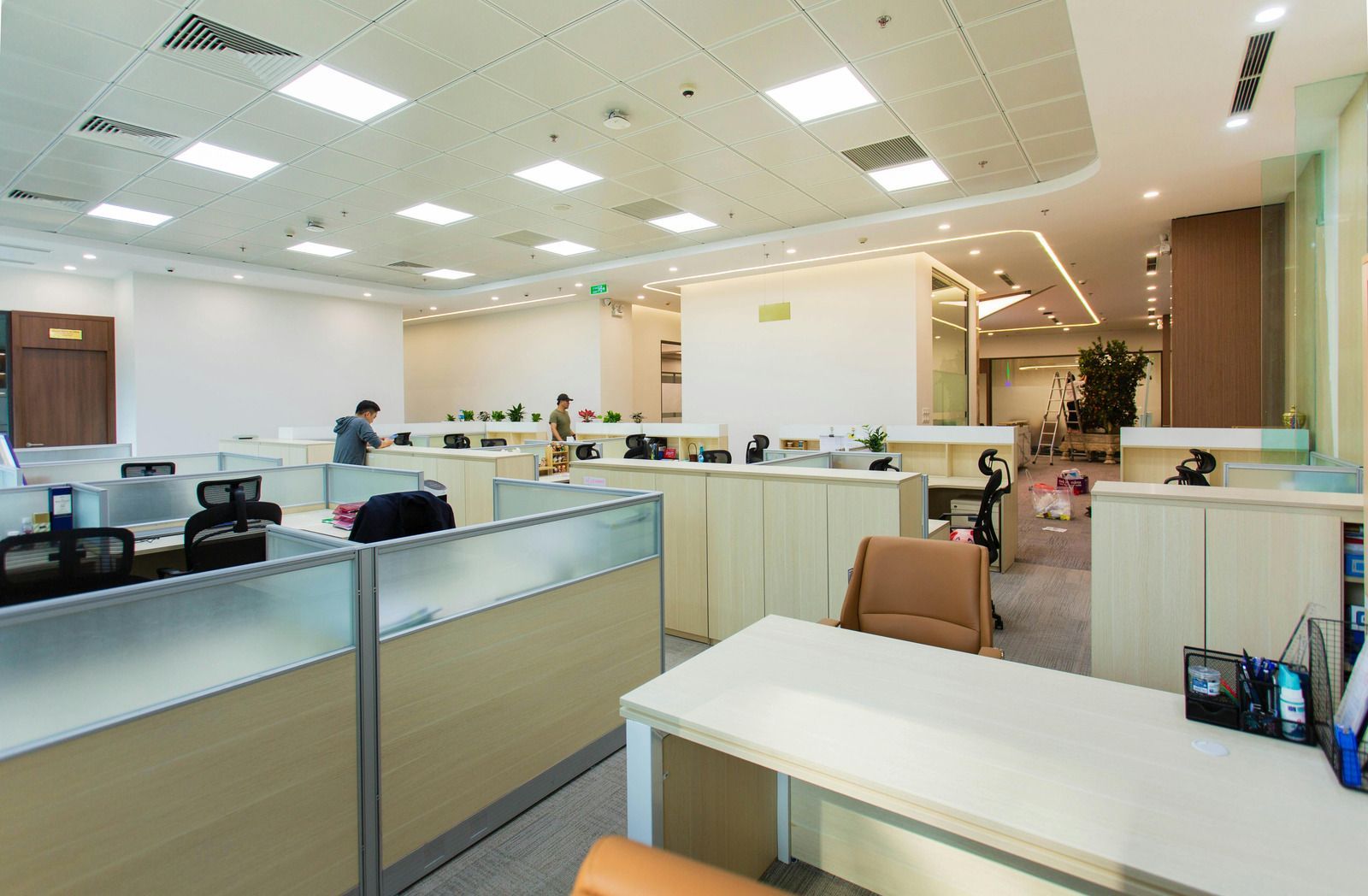
Many commercial electrical upgrades can be completed outside standard operating hours. Evening work, overnight scheduling, weekends, and holiday shutdowns often provide opportunities to complete major electrical tasks without interrupting customer service or employee productivity.
For example, restaurants may schedule panel replacements overnight after closing, while office buildings may perform wiring upgrades during weekends when occupancy remains low. Coordinating these schedules early allows contractors to secure labor, equipment, permits, and materials without delays.
Coordinating With Building Occupants and Staff
Clear communication plays a major role in minimizing disruption during electrical upgrades. Employees, tenants, customers, and facility managers should understand the construction schedule, affected areas, temporary shutdown periods, and safety procedures before work begins.
Providing advance notice helps businesses prepare for temporary inconveniences and avoid confusion during installation phases. Communication may include posted notices, email updates, operational adjustments, and temporary workspace relocation plans. Organized coordination helps projects move more smoothly while reducing stress for building occupants.
Upgrading Critical Electrical Components Without Interrupting Operations
Managing Electrical Panel Upgrades
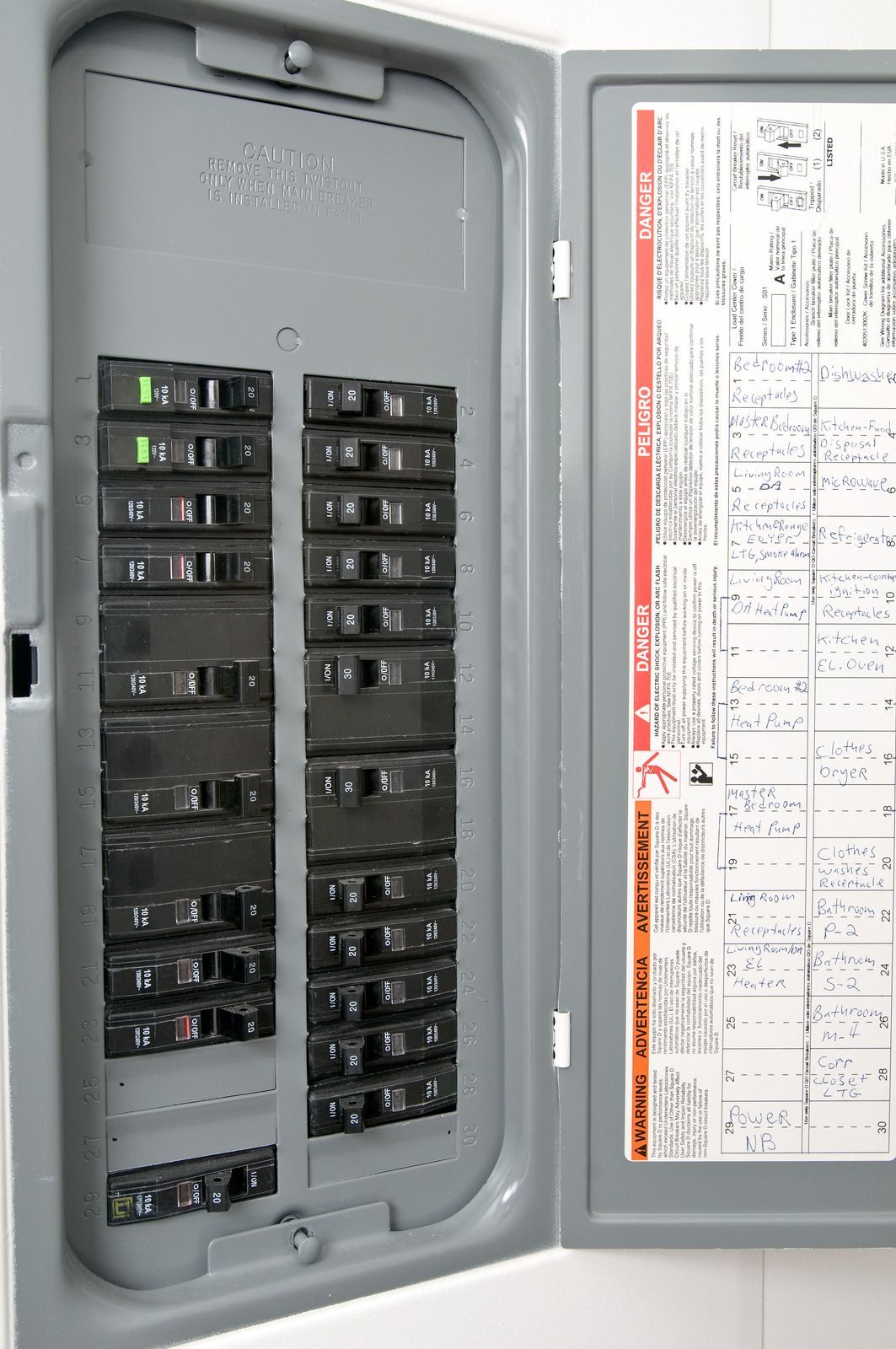
Electrical panel upgrades are among the most common commercial electrical improvements, but they also present one of the biggest downtime concerns. Replacing or expanding panels requires temporary power interruptions, careful load transfers, and detailed safety planning.
Experienced electricians often use temporary power solutions to maintain critical systems while panel replacements occur. Temporary generators, portable distribution systems, and staged load transfers help keep essential operations functioning throughout the process. Proper planning significantly reduces shutdown durations and limits operational impact.
Replacing Outdated Wiring Systems
Aging commercial wiring may create fire hazards, voltage instability, equipment failures, and inefficient power distribution. Replacing outdated wiring improves safety and system reliability, but large-scale rewiring projects can become disruptive without proper organization.
Electricians often complete rewiring projects in stages to minimize business interruptions. Ceiling access, conduit installation, and branch circuit upgrades may occur section by section while unaffected areas remain operational. Careful sequencing helps reduce disruption while maintaining safe working conditions.
Maintaining Essential Systems During Construction
Many commercial properties depend on uninterrupted electrical support for refrigeration systems, security equipment, servers, medical devices, communication systems, or production machinery. During electrical upgrades, these systems require special protection to prevent operational losses.
Backup generators, temporary circuits, battery systems, and redundant power sources help maintain critical operations during scheduled shutdowns. Identifying essential equipment before construction begins helps electricians prioritize protection strategies and avoid costly interruptions.
Improving Energy Efficiency During Commercial Electrical Upgrades
Installing Energy-Efficient Lighting Systems
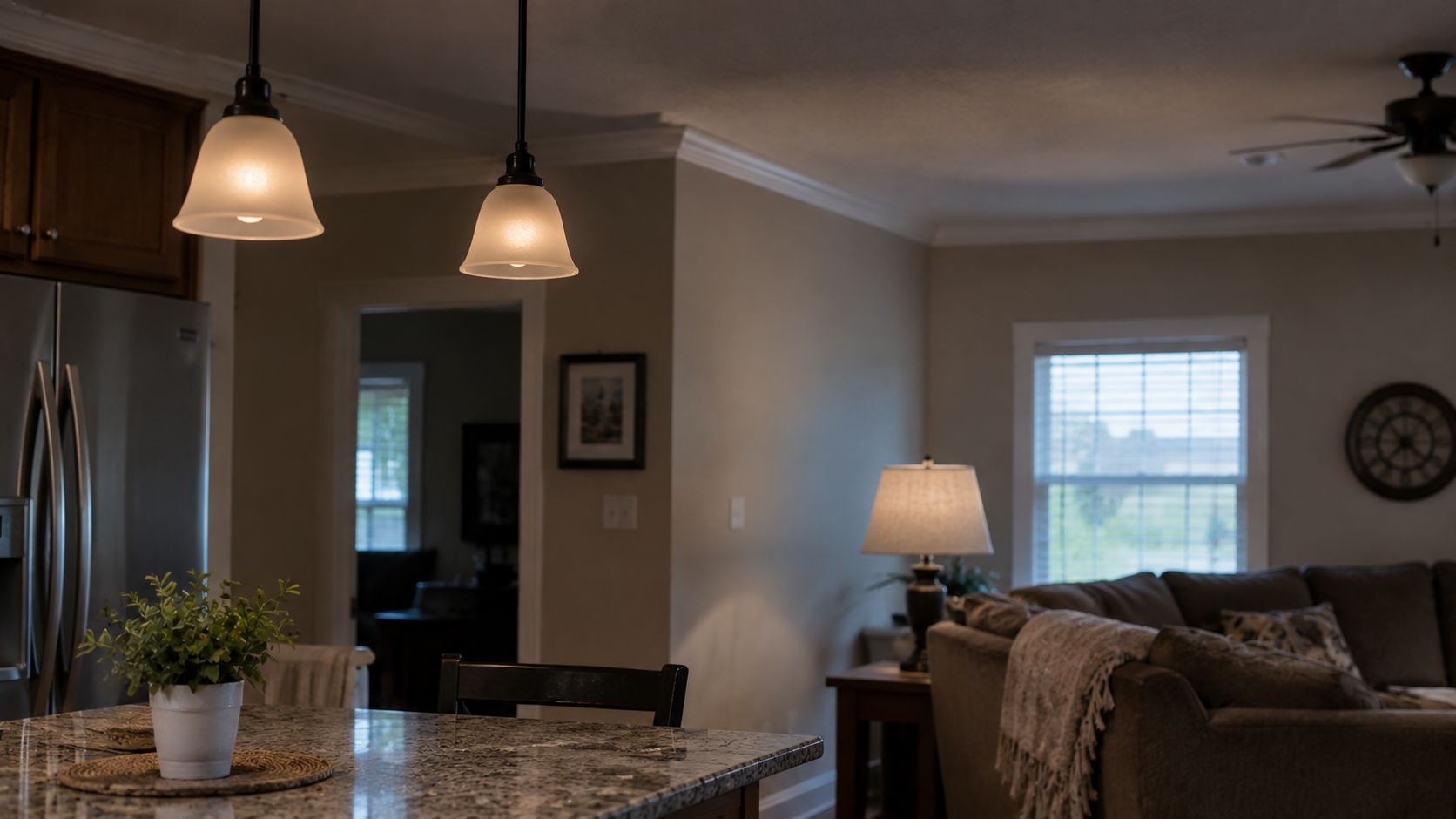
Commercial electrical upgrades provide an excellent opportunity to improve energy efficiency throughout the property. Replacing outdated lighting systems with LED fixtures helps reduce electrical consumption, maintenance costs, and heat generation while improving interior visibility.
Modern lighting upgrades may include occupancy sensors, daylight harvesting controls, programmable lighting systems, and energy-efficient fixtures designed for commercial environments. These improvements lower utility expenses while supporting sustainability goals for the business.
Integrating Smart Electrical Controls
Smart electrical technologies allow commercial facilities to monitor energy usage, automate lighting schedules, manage HVAC systems, and improve operational efficiency. During electrical upgrades, businesses can integrate advanced controls that provide better visibility into building performance.
Smart monitoring systems help identify energy waste, detect irregular power usage, and improve maintenance planning. Property owners gain greater control over energy management while reducing unnecessary operational expenses.
Preparing for Renewable Energy Integration
Many commercial properties are exploring renewable energy options such as solar panel systems, battery storage solutions, and electric vehicle charging stations. Electrical upgrades provide an opportunity to prepare infrastructure for these future technologies.
Preparing for renewable integration may involve upgrading service capacity, installing compatible panels, adding conduit pathways, or modifying distribution systems. Planning these improvements during current upgrades reduces future installation costs and minimizes additional disruptions later.
Choosing the Right Commercial Electrical Contractor
Verifying Commercial Experience and Qualifications
Selecting a qualified commercial electrician is critical for minimizing downtime and ensuring successful project completion. Commercial electrical systems involve complex infrastructure, large power loads, specialized equipment, and strict safety regulations that require advanced experience.
Businesses should evaluate licensing, certifications, project history, safety records, and experience with similar commercial facilities before hiring a contractor. Experienced electricians understand how to coordinate phased work schedules, maintain safety standards, and reduce operational disruptions during upgrades.
Prioritizing Communication and Project Coordination
Strong communication between contractors and business owners helps prevent misunderstandings and scheduling conflicts. Professional electricians provide detailed project timelines, explain potential disruptions, and coordinate closely with facility managers throughout construction.
Reliable project coordination allows businesses to prepare for temporary shutdowns, equipment relocations, and construction access requirements. Clear communication also helps address unexpected issues quickly before they affect operations.
Focusing on Long-Term Reliability
Commercial electrical upgrades represent a major investment, making long-term reliability an important consideration during contractor selection. Quality workmanship, durable materials, and careful installation methods help businesses avoid recurring electrical issues after project completion.
A well-planned upgrade should support daily operations for many years while allowing future expansion opportunities. Choosing experienced professionals helps businesses gain dependable electrical systems that improve efficiency, safety, and operational stability.
Trusted Commercial Electrical Solutions Backed by Industry Experience
Planning a commercial electrical upgrade with minimal downtime requires more than replacing outdated equipment. Businesses must evaluate operational priorities, coordinate construction schedules, maintain safety standards, and prepare infrastructure for future growth. A strategic approach helps reduce interruptions while improving electrical reliability, energy efficiency, and long-term operational performance. Careful planning also protects valuable equipment, supports workplace safety, and helps businesses avoid costly emergency failures that disrupt productivity.
At Rock Electric, we provide
commercial electrical services
designed to help businesses complete electrical upgrades with minimal disruption to daily operations. With 35
years of experience serving commercial properties throughout Hermiston, Oregon, we understand the importance of careful scheduling, reliable workmanship, and organized project coordination during complex electrical improvements. We work closely with property owners and facility managers to develop upgrade strategies that support business continuity while improving safety, efficiency, and long-term system performance. Our commitment to quality service, detailed planning, and professional installation helps commercial clients move forward with confidence while protecting productivity throughout every stage of the electrical upgrade process.